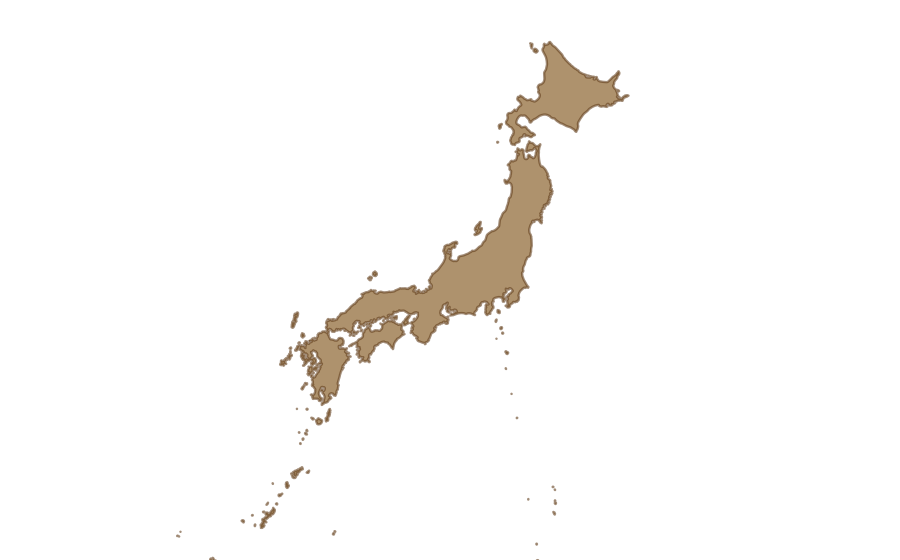
Kochi Castle Town, Tosa
Born into the Inui Family of Tosa Retainers
He grew up among upper retainers with education and status directing him toward domain service.
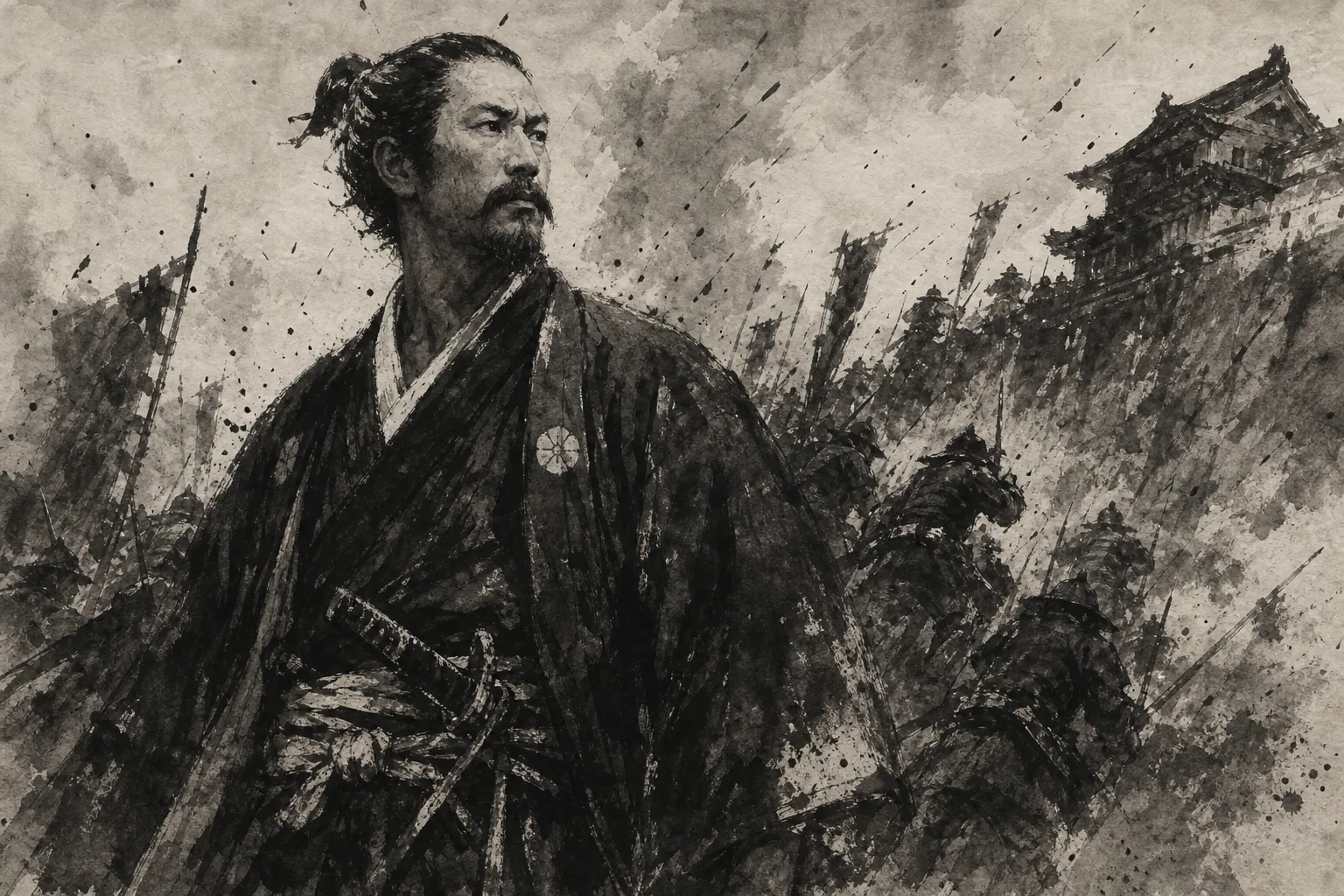
Know the Person
Follow Itagaki Taisuke not from a finished image as the father of popular rights but through changing material practices: Jinshotai weapons and a campaign banner, keys to Kofu Castle, a petition signed by eight men, Risshisha's meeting hall and printing press, a dagger and medical bag at Gifu, and the manuscript of One-Generation Peerage. The objects reveal how a commander helping impose the new government turned toward speech, association, elected assembly, and criticism of hereditary status.
Life
Kochi Castle Town, Tosa
He grew up among upper retainers with education and status directing him toward domain service.
Tosando and Kofu
He managed a campaign, restored the Itagaki name, and secured the castle without bloodshed.
Tokyo and Kochi
Eight signatories petitioned the Chamber of the Left, while Kochi gained a base for association.
Tokyo and nationwide
Local campaigns for a national assembly were joined through a party, tours, and newspapers.
Gifu Chukyoin
He survived a dagger wound as words about liberty became a shared memory of the movement.
Tokyo and elsewhere
After ministerial and party roles, he wrote against hereditary privilege and died at age eighty-three.
高知県高知市
建白書、演説、結社、印刷物が土佐から全国へ広がった経路を資料と市街地からたどる。
板垣退助
Address高知県高知市桟橋通4丁目14-3
Nearby
山梨県甲府市
迅衝隊が進駐し、城を受け取った石垣と門から、板垣の軍事指揮と占領行政を見る。
板垣退助
Address山梨県甲府市丸の内1丁目5-4
Nearby
岐阜県岐阜市
自由党遊説の演説会場と襲撃事件を、現在の板垣退助像と岐阜公園周辺で確認する。
板垣退助
Address岐阜県岐阜市大宮町1丁目
Nearby
Keys
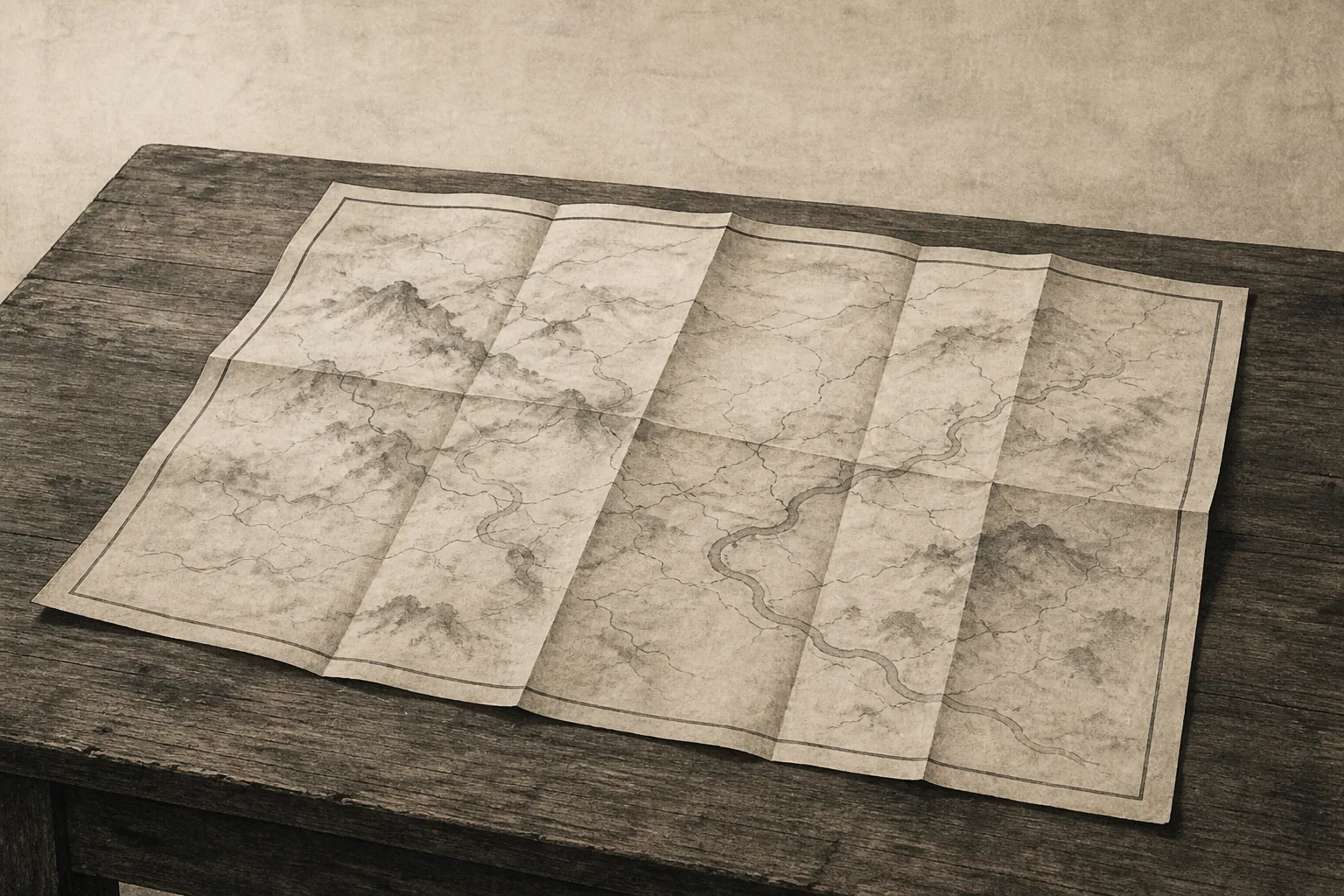
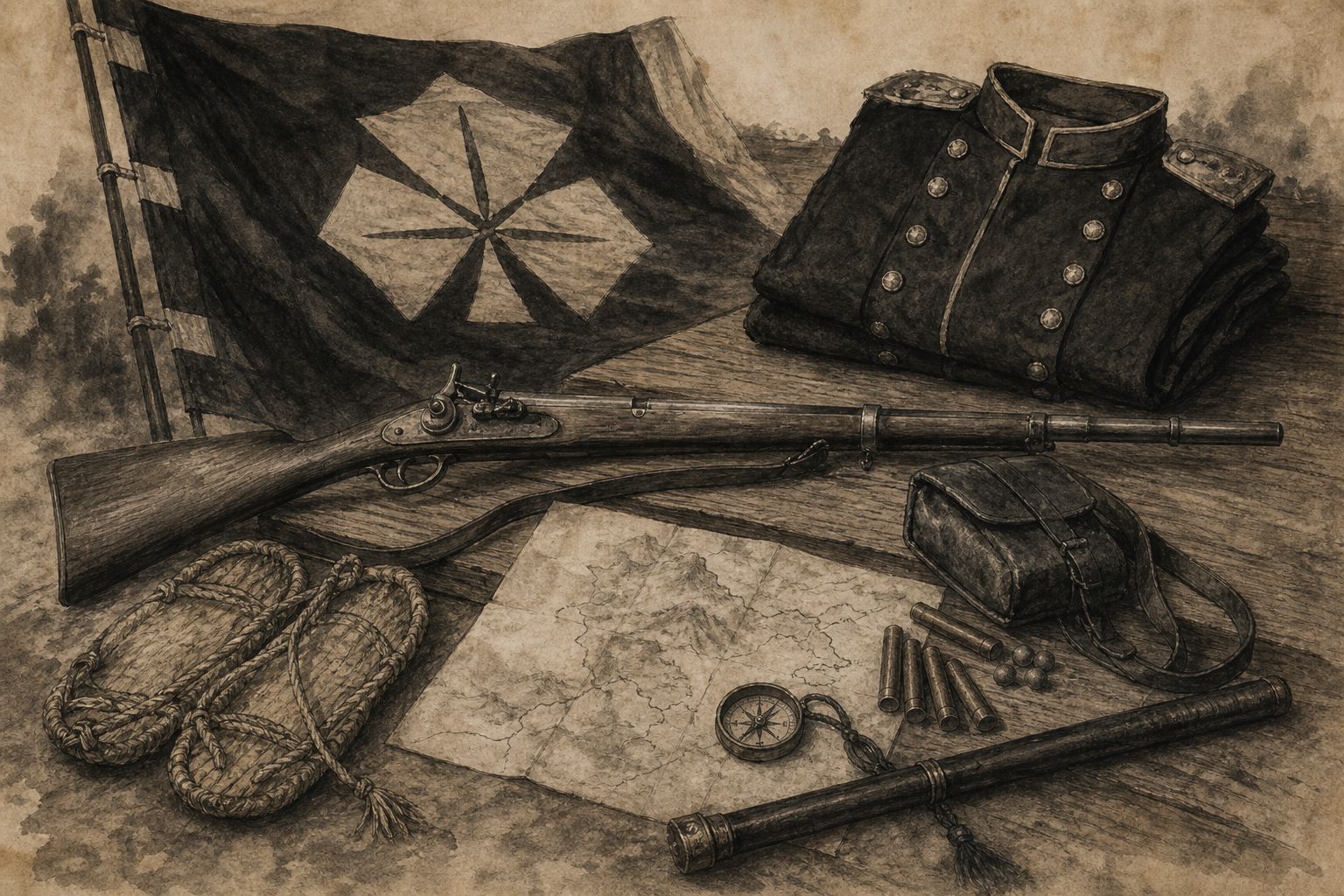
During the Boshin War, Itagaki commanded the Tosa Jinshotai from the Kyoto fighting onto the Tosando route. A partly Western uniform, percussion rifle, ammunition pouch, straw sandals, unit banner, compass, and campaign map show that ideas alone could not move troops. Command required lodging, food, orders, and negotiation with communities along the road. When entering Kai, he restored the Itagaki surname, politically using a claimed connection to a Takeda retainer family. That experience of organizing men and supplies later informed the very different machinery of a political movement.
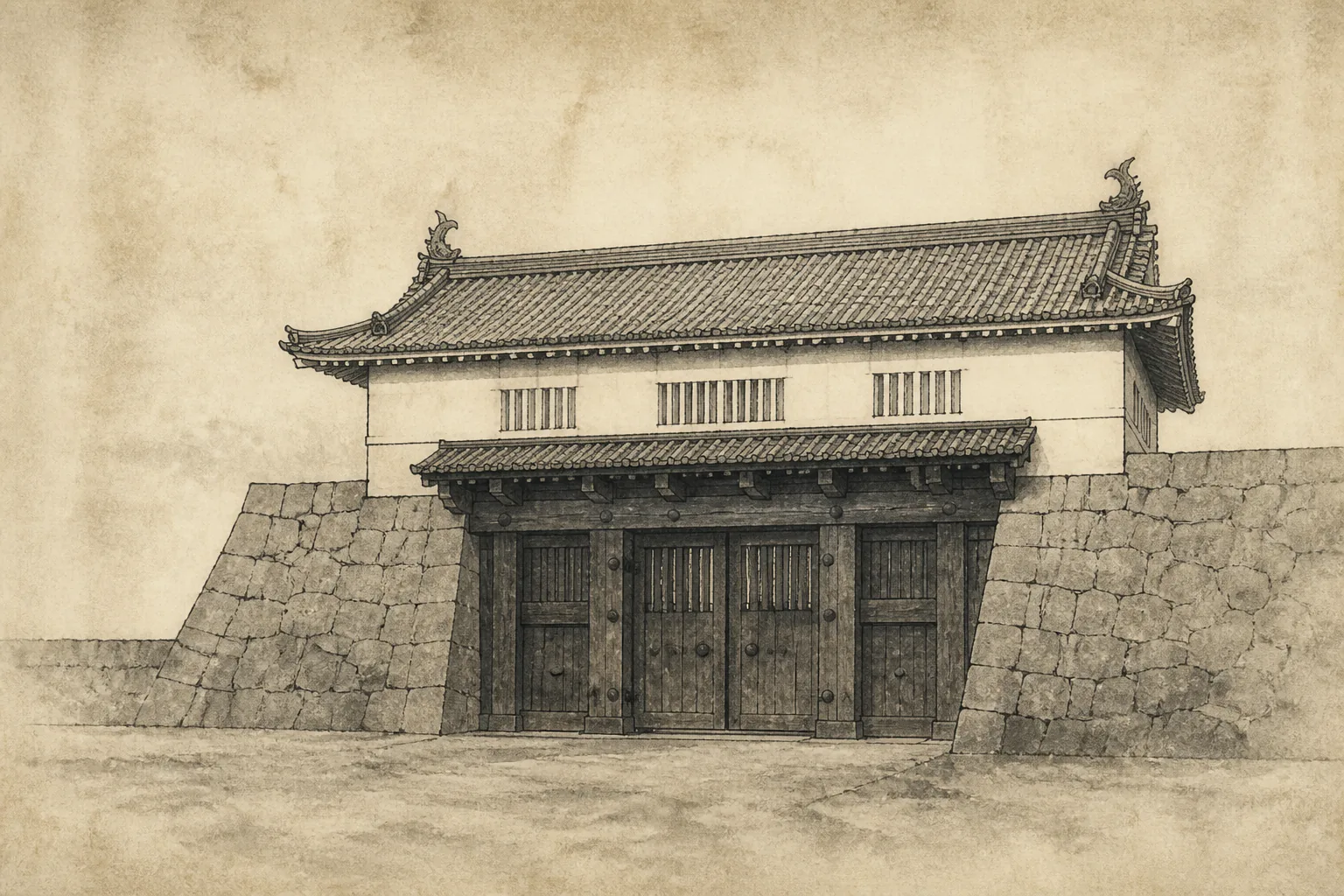
In 1868 Itagaki's forces entered Kofu Castle without bloodshed. Open timber gates, stone walls, a guardhouse, stacked weapons, keys, and sealed handover papers make victory visible as transfer of facilities and administration rather than a single clash. Securing this strategic site before the former shogunate's Koyo Chinbutai controlled movement through the basin. Before becoming a critic of oligarchic government, Itagaki had helped install the new state's authority through an army. That tension belongs at the beginning of his popular-rights story.
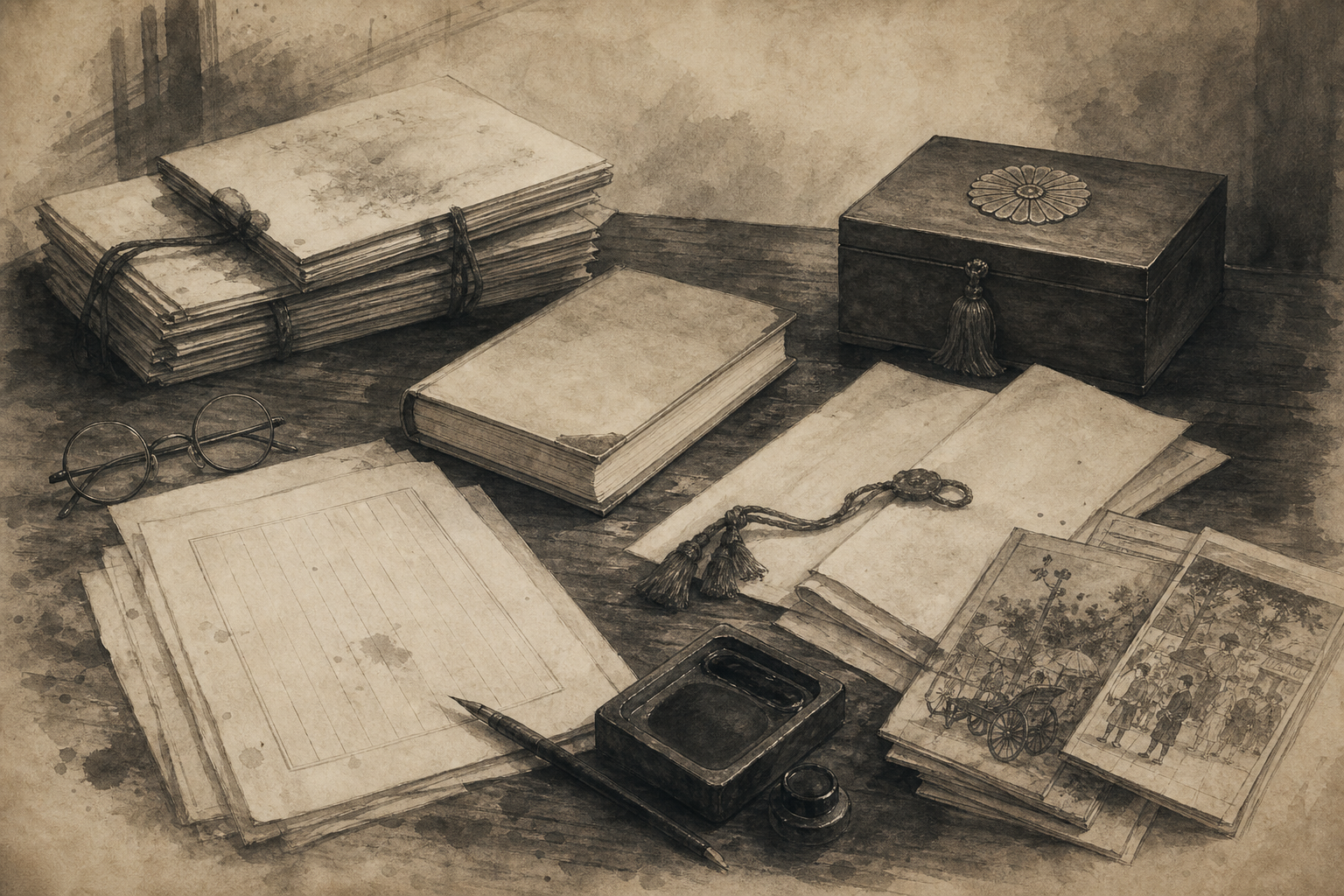
After leaving government in the political crisis of 1873, Itagaki joined Goto Shojiro, Soejima Taneomi, Eto Shimpei, and others in the Aikoku Koto. On 17 January 1874, eight signatories submitted the Memorial for the Establishment of a Popularly Elected Assembly to the Chamber of the Left. Bound paper, drafts, brushes, seals, and a document box placed political opposition inside an official reception process rather than an uprising. The memorial attacked rule by a small bureaucracy and called for public deliberation, making collective drafting and submission central to the movement's origin.
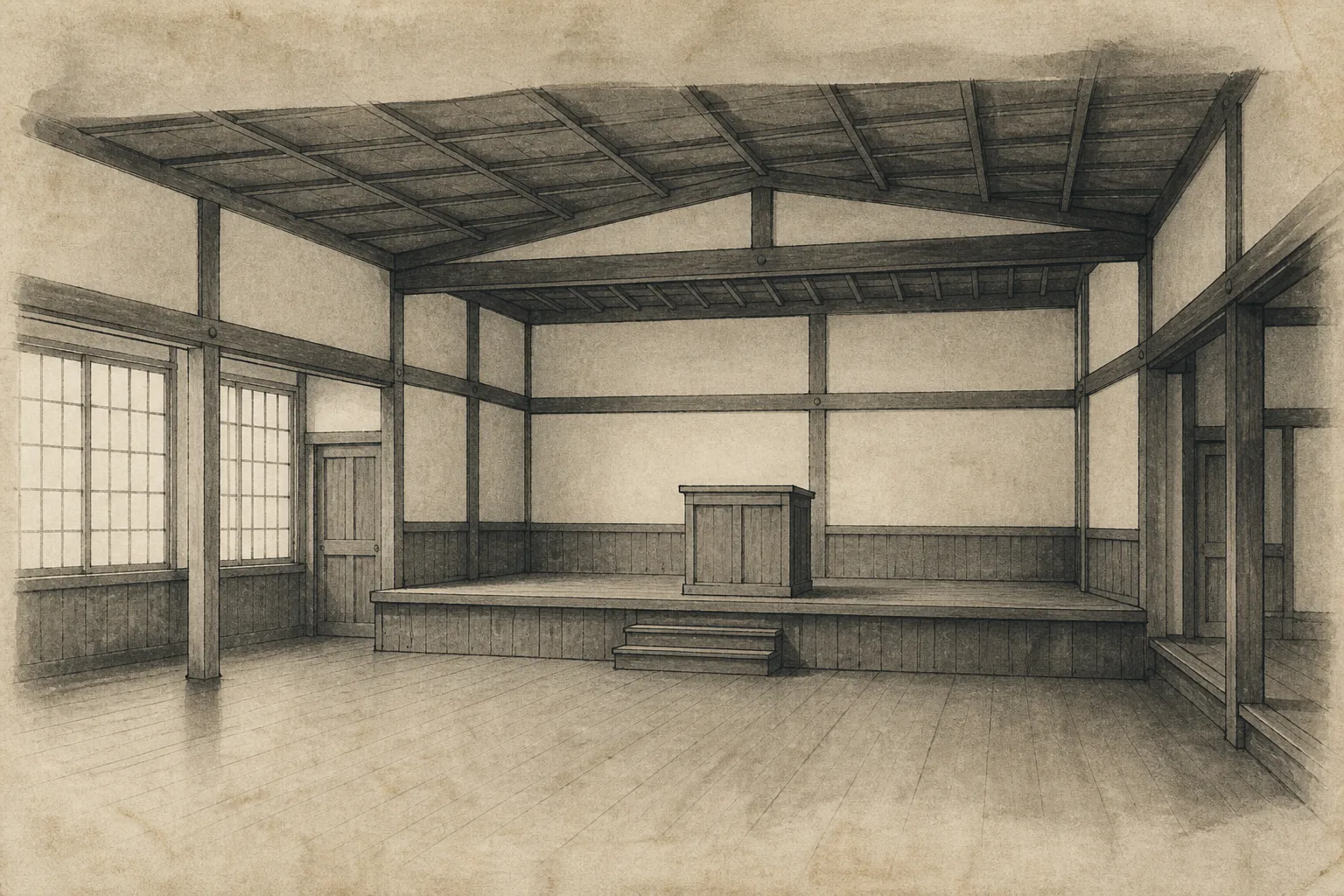
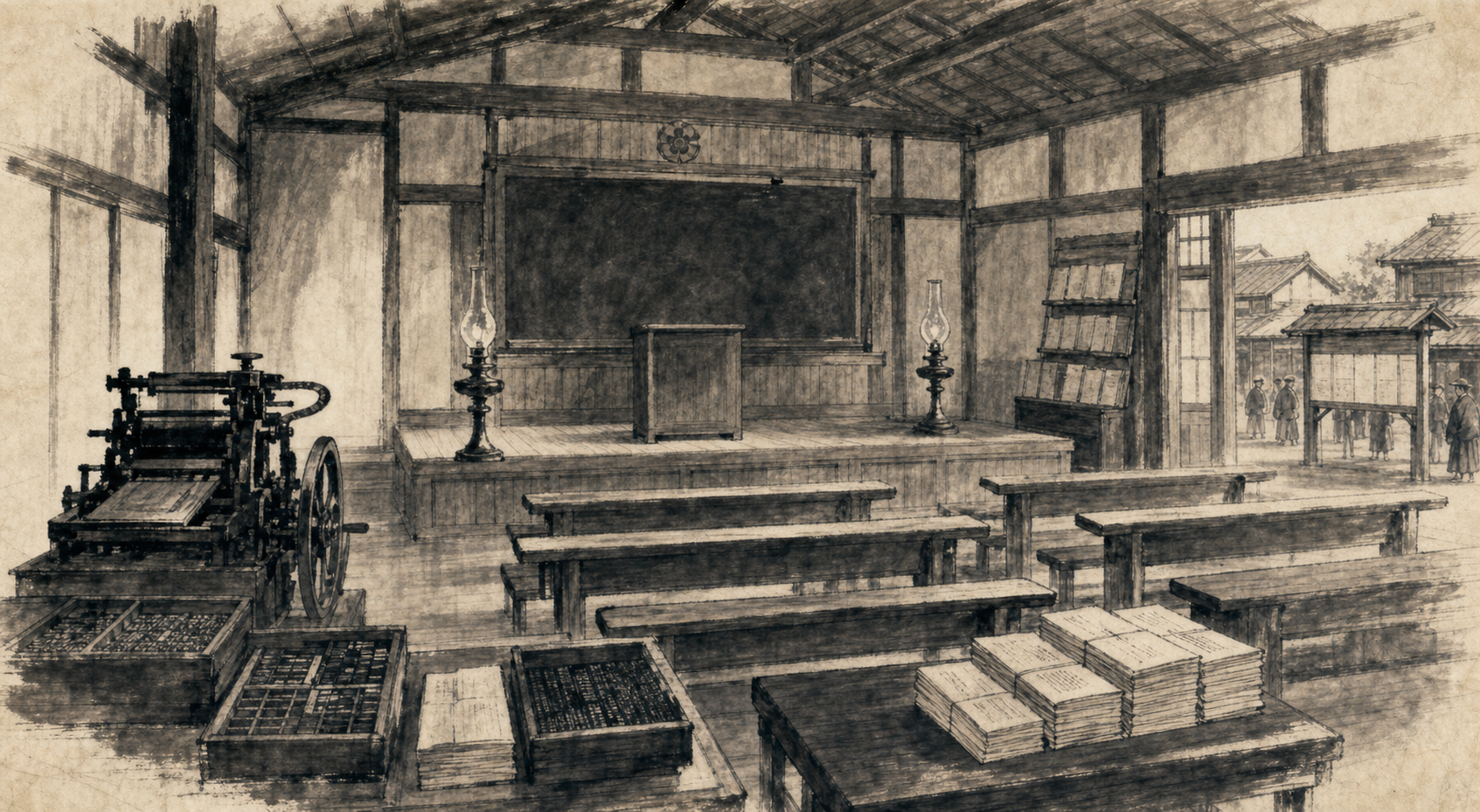
Risshisha, founded in Kochi by Itagaki and his associates, was both a political association and a place to meet, learn, speak, and reproduce arguments. A wooden meeting hall, speaking platform, benches, oil lamps, blackboard, hand-operated printing press, type cases, and pamphlet stacks converted freedom and rights into repeatable activity. Lectures and print carried the movement beyond Tosa networks, while dues, editing, distribution, government restrictions, and disagreements shaped who could participate. Organization depended on ordinary maintenance as much as celebrated speeches.
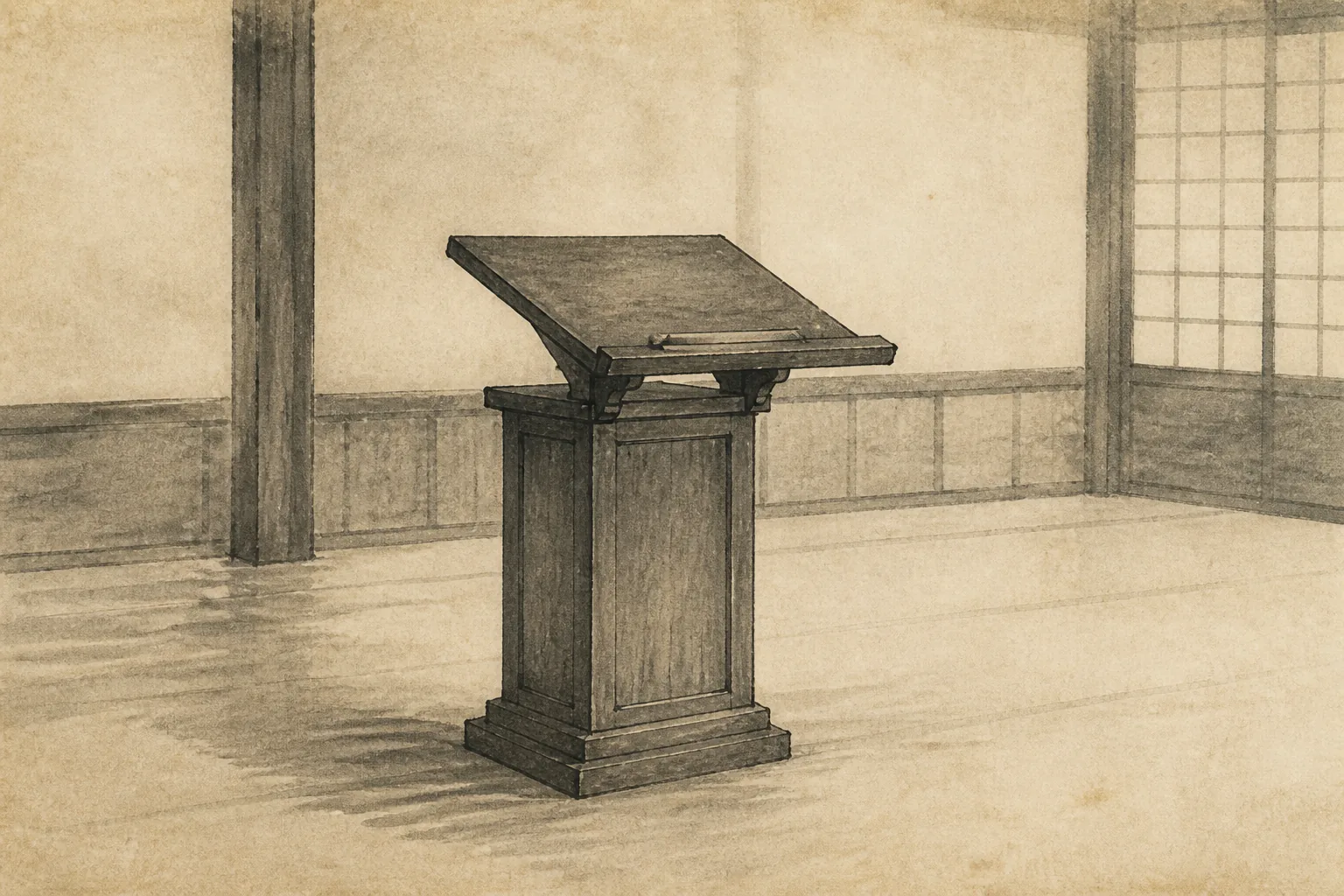
On 6 April 1882, after speaking at the Gifu Chukyoin, Liberal Party president Itagaki was attacked with a dagger. The empty platform, fallen lectern, secured weapon, torn coat, medical bag, bandages, police lantern, and newspaper sheets show the event spreading at once into bodily injury, treatment, investigation, and reporting. His wounds were not fatal. The phrase commonly translated as Even if Itagaki dies, liberty will never die became famous immediately afterward; treating it as public memory rather than a certain verbatim utterance avoids turning evidence into legend.
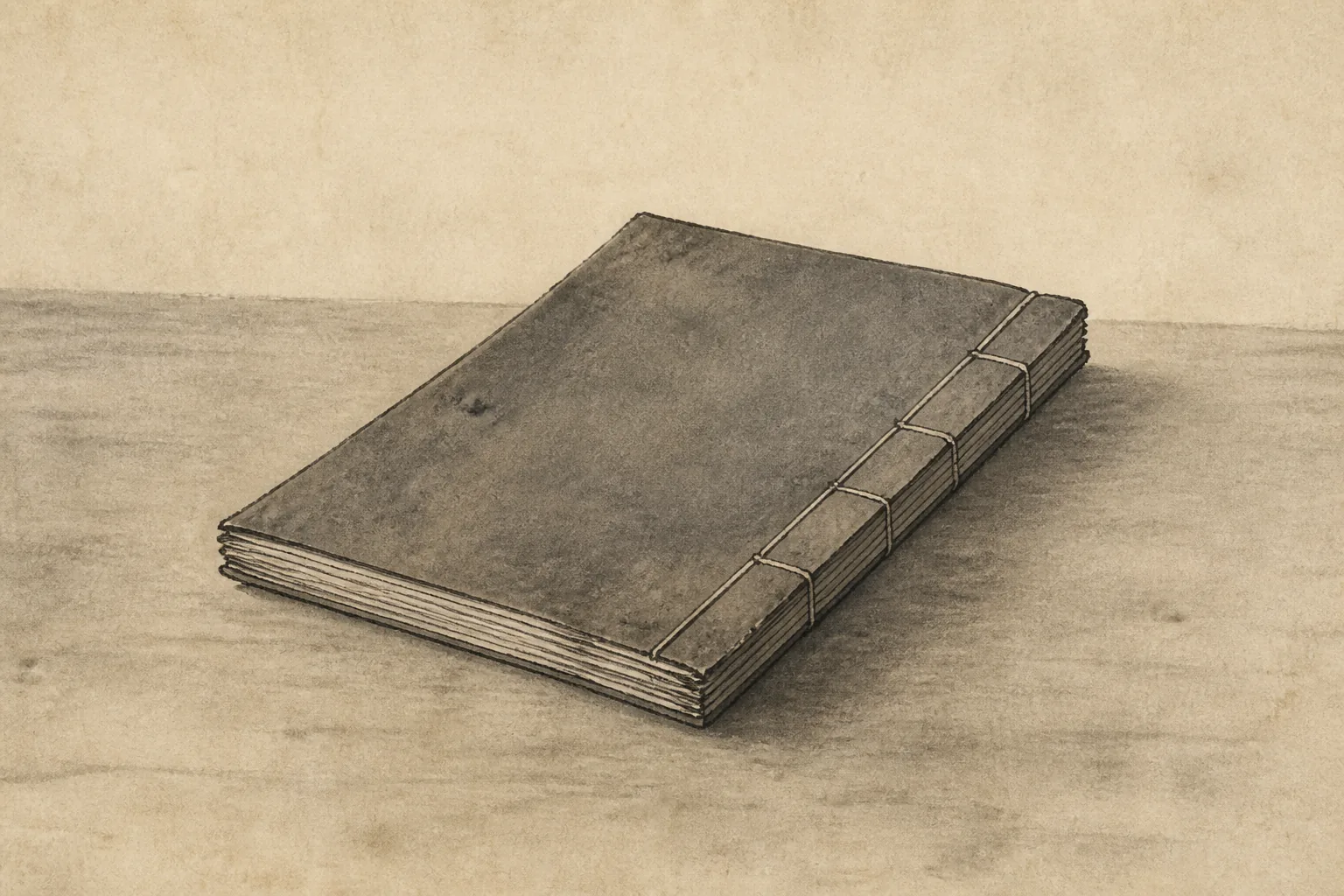
After retiring from party politics, Itagaki pursued social reform and criticized hereditary transmission of peerage. Manuscript bundles, the printed One-Generation Peerage, a renunciation petition, sealed papers, and a closed insignia box extend popular rights beyond opening a parliament toward the reproduction of status. His own acceptance of a count's title leaves an unavoidable contradiction, but the later return of the title by his household keeps the question concrete. The desk asks how fully the Restoration's language of equality could transform institutions and inheritance.
VISIT
Kochi Castle Museum of History · KochiOfficial information
An exhibition tracing Itagaki Taisuke's youth, exile, role in the Boshin War, and the Satsuma–Tosa alliance, with a related limited-time café menu also announced by the museum.
Kochi Castle Museum of History · KochiOfficial information
An exhibition using Yamauchi family materials to trace the politics and society of Tosa and its emergence as a major Bakumatsu domain.
Search events related to Taisuke Itagaki →Browse all Bakumatsu events →