Kamigori and Shizutani
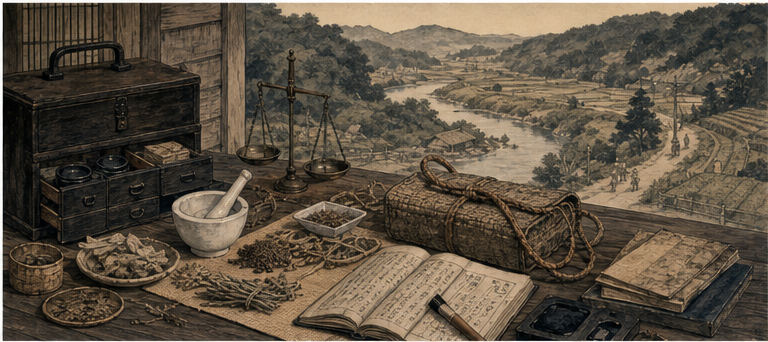
Moves from a physician household’s medicine chest and classics into Shizutani study
Medical observation and Chinese reading provide distinct foundations for later translation.
Know the Person
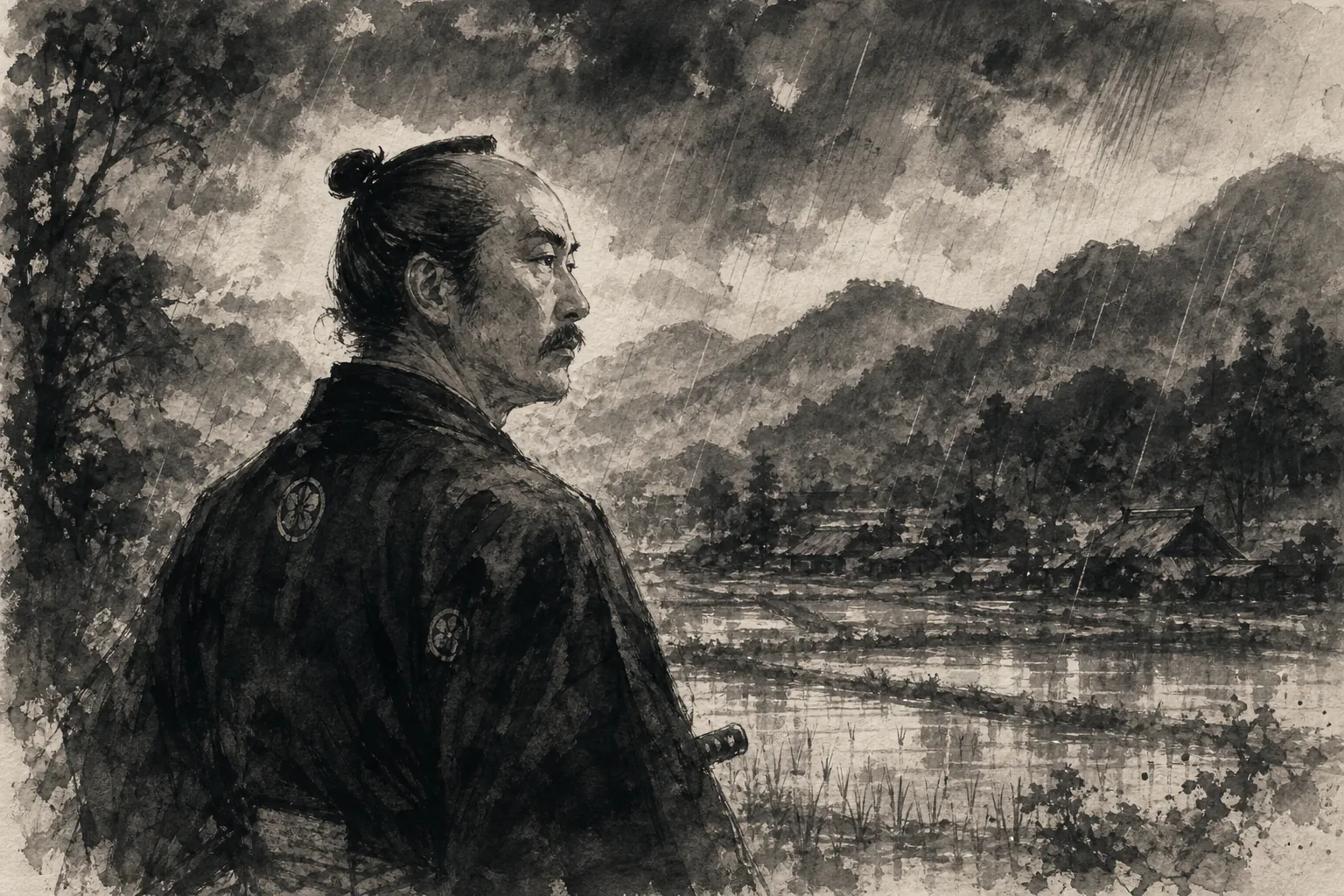
Otori Keisuke cannot be understood only as a commander in the Hakodate War. The surviving material record follows a medicine chest in Kamigori, writing tools at Shizutani, Dutch medical and artillery books at Tekijuku and Egawa’s school, metal movable type and the translated Hoka Shinron at Nawatekan, rifles and camp equipment of the Denshutai, an escort diary carried from Goryokaku toward Senju, and the industrial diagrams and drafting instruments of his American survey and engineering administration. The sequence shows knowledge changing use across translation, printing, military organization, imprisonment, industrial research, and education, while keeping wartime harm and later diplomatic responsibility visible.
Life
Kamigori and Shizutani
Medical observation and Chinese reading provide distinct foundations for later translation.
Osaka and Edo
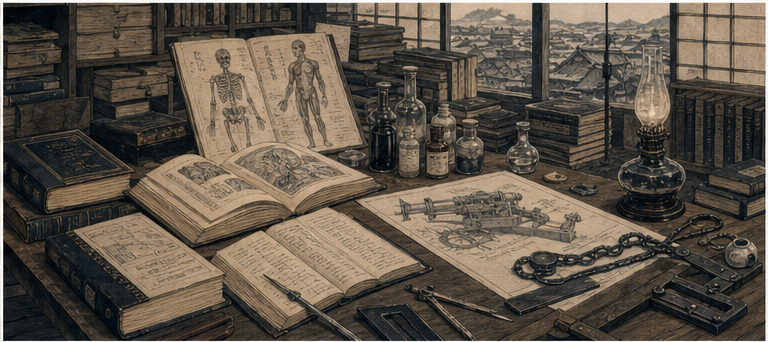
Foreign words become testable through diagrams, calculation, instruments, and shared books.
Edo
Translation, metal type, and drill manuals make technical knowledge reproducible.
Kanto, Tohoku, Hakodate
Marching, requisition, casualties, and civilian harm remain beside unit discipline.
Hakodate, Aomori, Senju
Defeat leads through controlled movement and writing rather than directly to rehabilitation.
United States, Britain, Tokyo, Qing and Korea
Industrial work and the responsibility of diplomacy before the Sino-Japanese War share one timeline.
兵庫県赤穂郡上郡町
現在の交流館は生誕地に整備された展示施設で、当時の生家建物そのものではない。直筆、火薬製造書、地域の医家環境を照合する。
大鳥圭介
Address兵庫県赤穂郡上郡町岩木石戸地区
Nearby
大阪府大阪市中央区
適塾の蘭学・医学と、その後の江戸の坪井塾・江川塾の砲術学習は別段階である。建物では共有辞書と塾生生活を確認する。
大鳥圭介
Address大阪府大阪市中央区北浜3丁目3番8号
Nearby
東京都千代田区
縄武館の正確な旧位置を現存施設のように示さず、国立公文書館・国会図書館所蔵の『砲科新論』から翻訳と印刷を調べる。
大鳥圭介
Address東京都千代田区北の丸公園周辺
Nearby
神奈川県横浜市
伝習隊の訓練地は時期と部隊で異なる。横浜をフランス軍事顧問団と幕府陸軍制度を調べる地域的入口として示す。
大鳥圭介
Address神奈川県横浜市中区周辺
Nearby
北海道函館市
復元奉行所と保存整備された郭内を当時の全景と混同しない。大鳥の日記は五稜郭出発後、青森から千住までの護送も記す。
大鳥圭介
Address北海道函館市五稜郭町44
Nearby
東京都千代田区
『明治七年大鳥圭介報文』は米国産業視察を精密な図と文章で伝える。戦歴の付録ではなく、出獄後の技術行政を検証する資料である。
大鳥圭介
Address東京都千代田区北の丸公園3番2号
Nearby
Keys
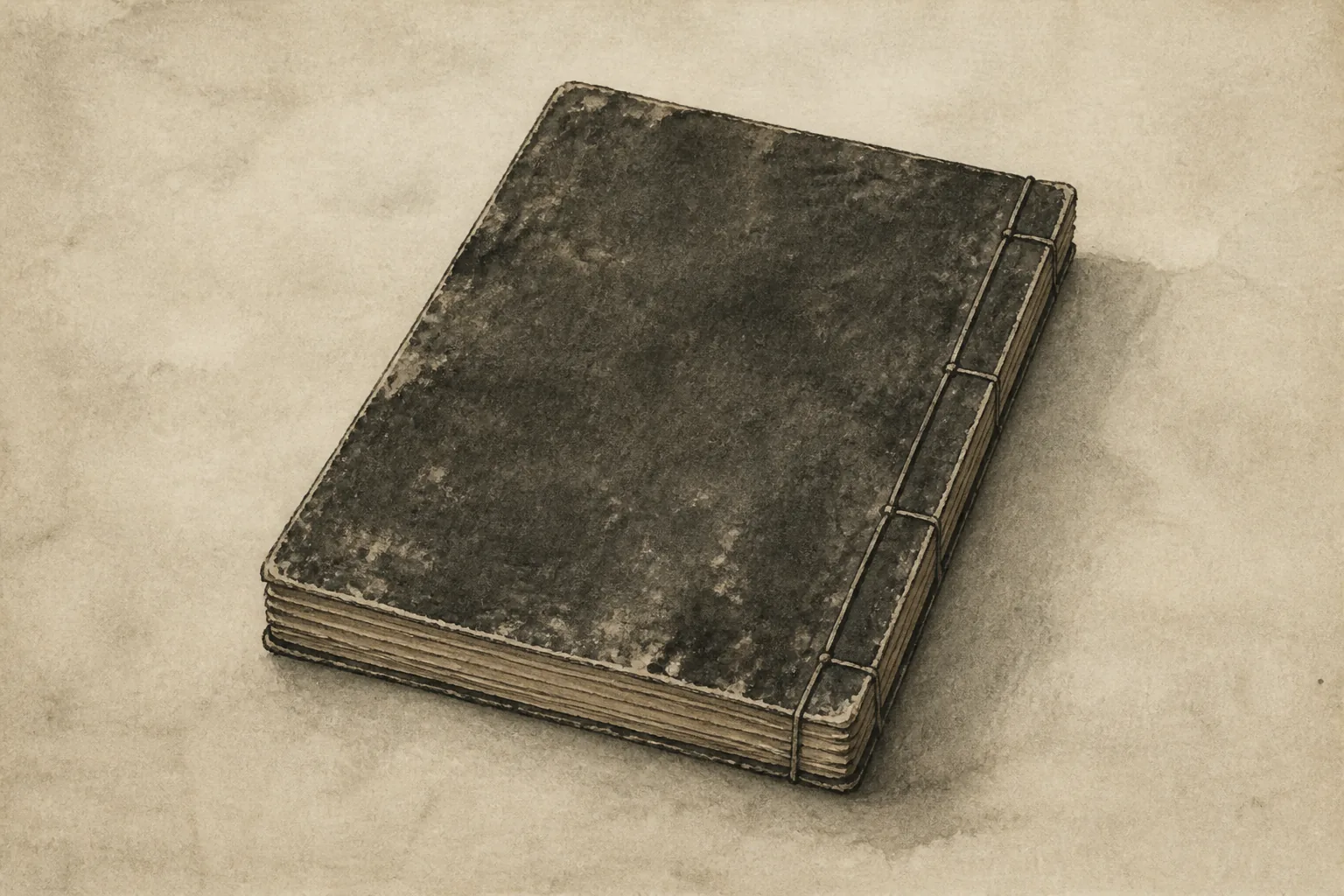
Otori Keisuke was born in 1832 in Iwaki-Ishido, now part of Kamigori, into a rural physician household. A medicine chest, mortar, balance, herbs, treatment ledger, house-call basket, brush, inkstone, and Chinese classics place bodily observation and textual study in the same domestic space. His grandfather taught him Chinese learning before he continued at Shizutani school. Childhood does not automatically explain his later careers, but medical observation and close reading offered practical foundations for translating foreign technical knowledge. Today’s Ikiiki Koryu Furusato-kan is an exhibition facility built at the birthplace, not the surviving original house. It leads to books on Kamigori, rural medicine, Shizutani, and early-modern Chinese learning.
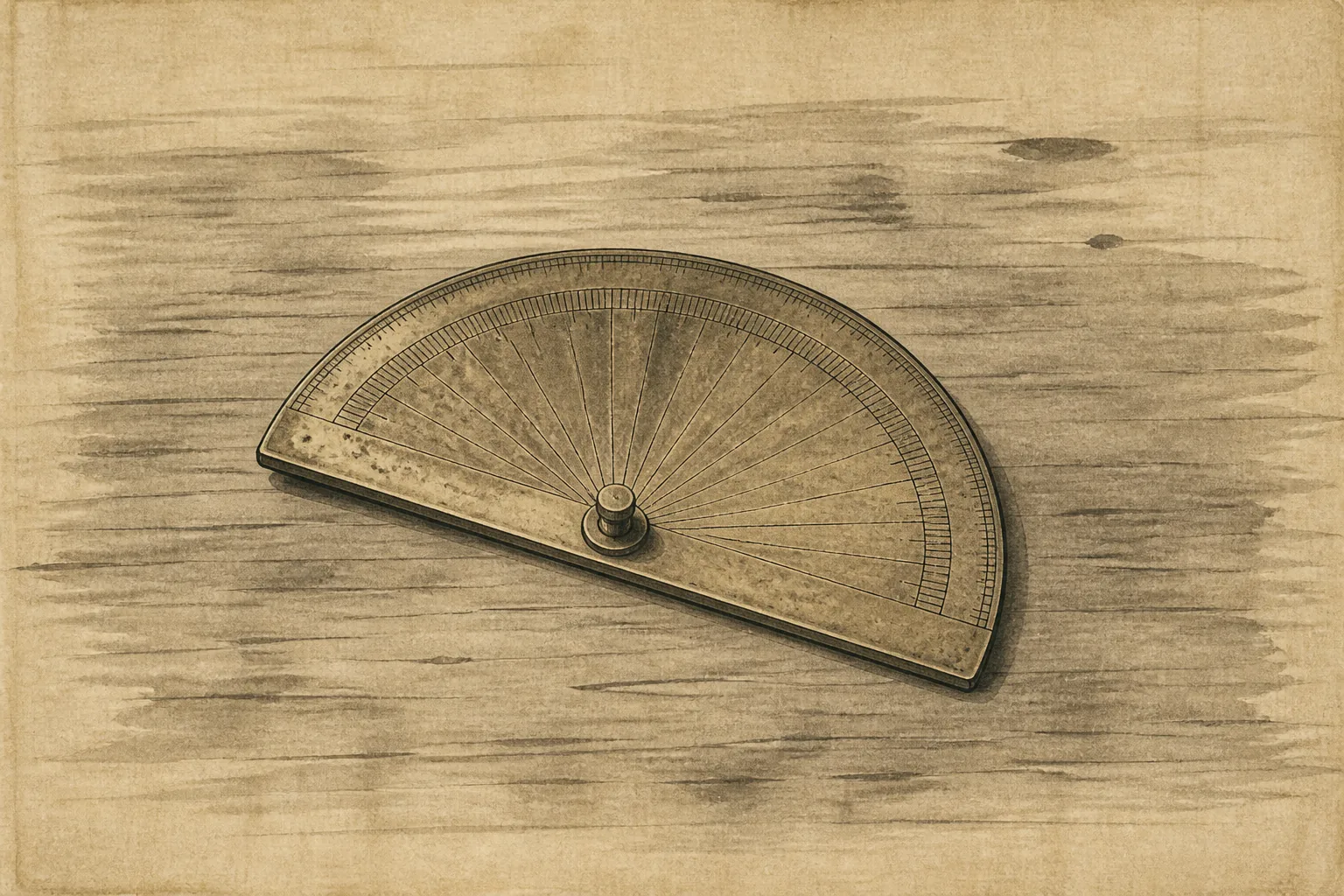
After Shizutani, Otori studied medicine and Dutch learning at Tekijuku in Osaka, then Western medicine and artillery under teachers including Tsuboi Chueki and Egawa Hidetoshi in Edo. Dutch books, a dictionary, anatomical plates, medicine bottles, chemistry glassware, compasses, a protractor, survey chain, and artillery sections show study expanding from symptoms to distance, angle, material, and force. Tekijuku and Egawa’s school were different institutions in different cities. What connected them was a method: share scarce reference works, test translated words against diagrams and calculations, and make procedures teachable. Each place opens separate reading paths into Ogata Koan, Egawa artillery, surveying, and Dutch military science.
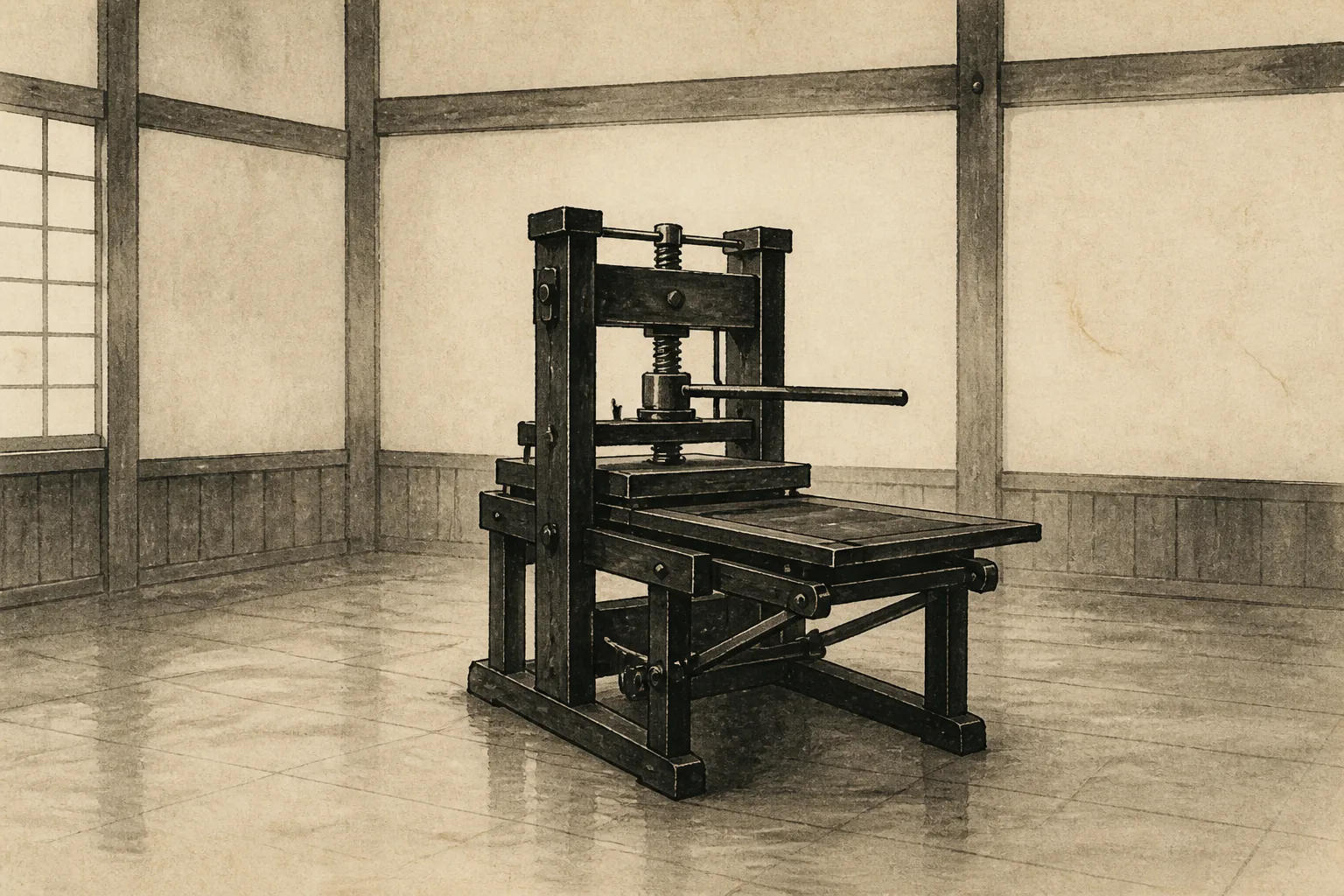
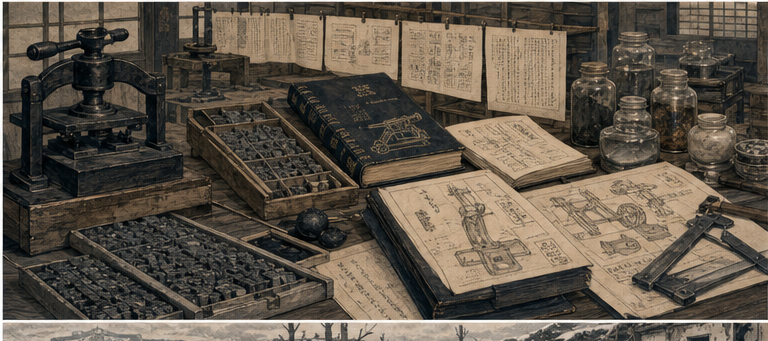
Otori’s translated Hoka Shinron was issued by Nawatekan in 1861. Based on Dutch artillery handbooks, its four volumes treated gunpowder composition and manufacture, gun casting, technical principles, and tactics. Metal type pieces, composing tools, ink, a hand press, drying sheets, powder-ingredient jars, casting diagrams, and calipers make publication itself the subject. Technical knowledge no longer remained inside one manuscript; copies could circulate and support instruction. The so-called Otori type belongs to both translation and printing history, yet surviving copies may represent later woodblock editions, so their bibliographic form must be checked. Digital holdings lead to research on Hoka Shinron, movable type, gunpowder, and late-Edo technical publishing.
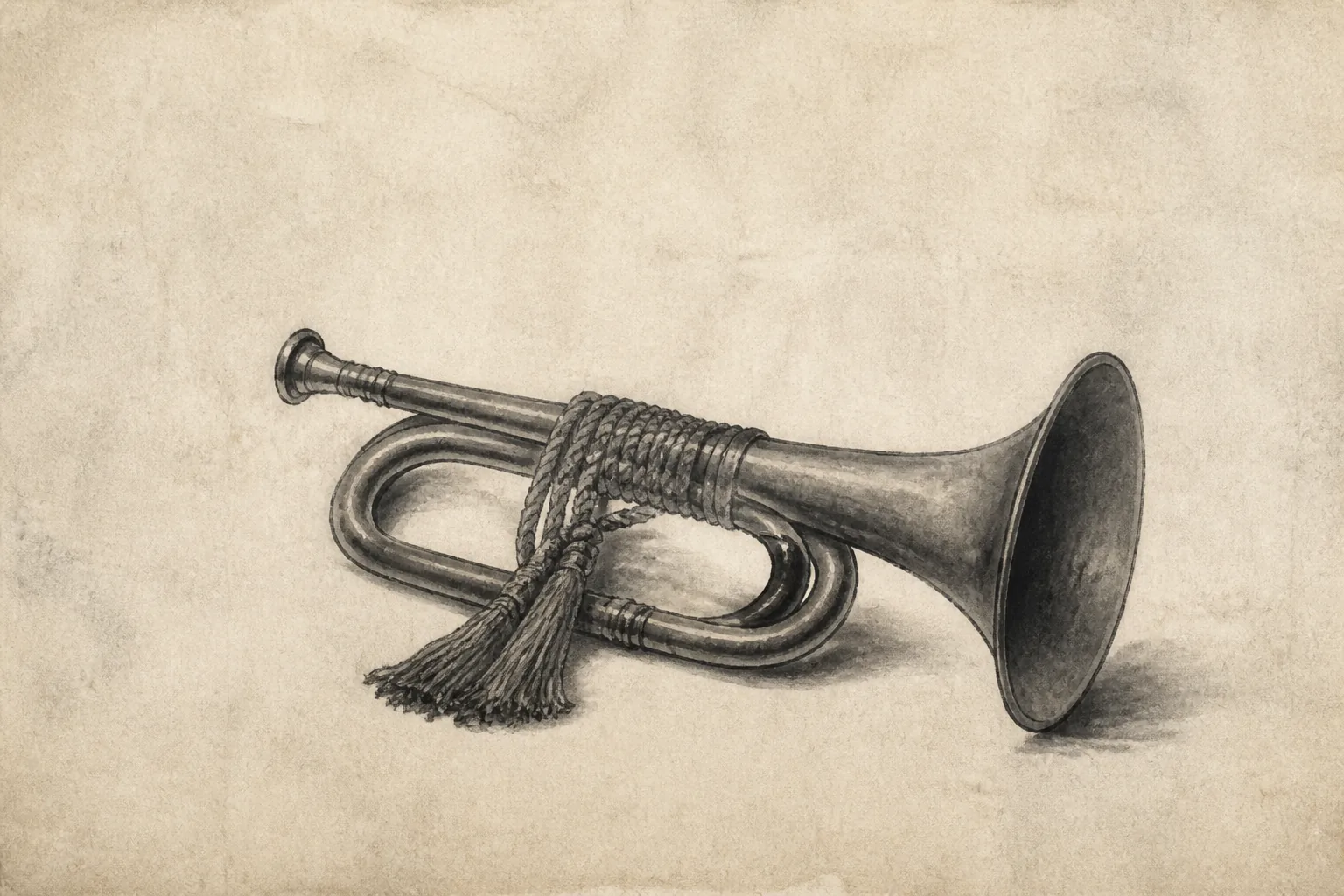
After entering shogunate service, Otori taught at the Kaiseijo and rose through infantry posts before commanding troops trained through the French-style Denshutai system. Rifles, bayonets, cartridge boxes, drill books, a bugle, boots, greatcoats, tents, blankets, cooking pots, pay lists, unit rosters, and route maps show what formations conceal. Commands required translation, equipment standards, repeated practice, food, ammunition, and transport. The force was not the achievement of one commander or foreign adviser. Its campaigns after the shogunate’s collapse also imposed desertion, requisition, injury, and hardship on communities. Useful paths include the Denshutai, the French military mission, shogunate infantry, and Boshin War logistics.
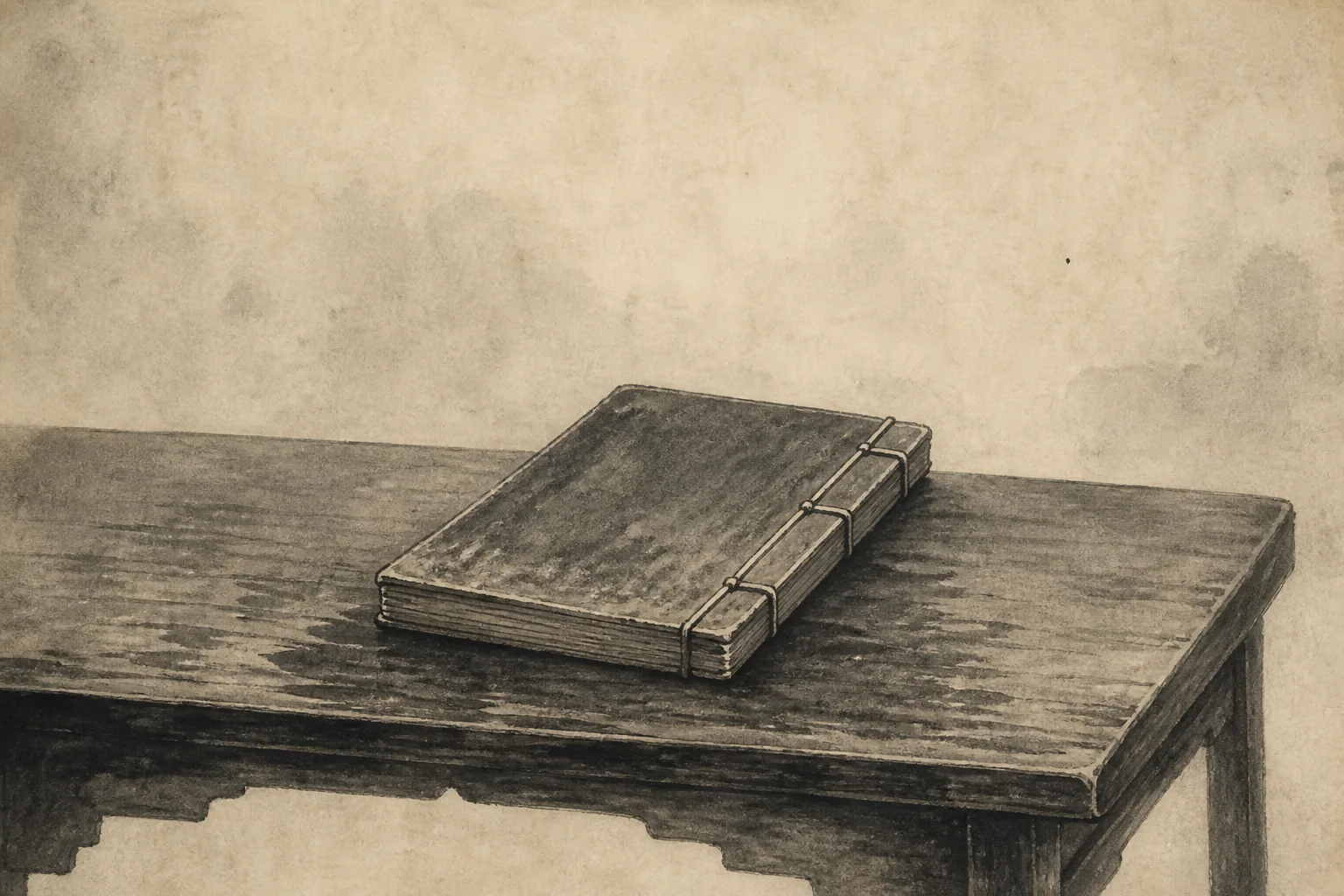
Otori joined the former shogunate force in the Hakodate War, surrendered at Goryokaku in May 1869, was escorted to Tokyo, and imprisoned. A folded route map, portable brush, inkstone, weather diary, lodging slips, travel pass, rope-bound document chest, and worn sandals shift attention from battlefield command to a controlled body moving through damaged towns. The diary introduced by the National Diet Library covers the escort after departure from Goryokaku, through Aomori toward Senju, and records dates, weather, lodgings, and traces of war. It is not simply a campaign diary. The material opens research on Goryokaku’s reconstructed buildings, local war damage, escort routes, imprisonment, and the costs borne by Hakodate residents.
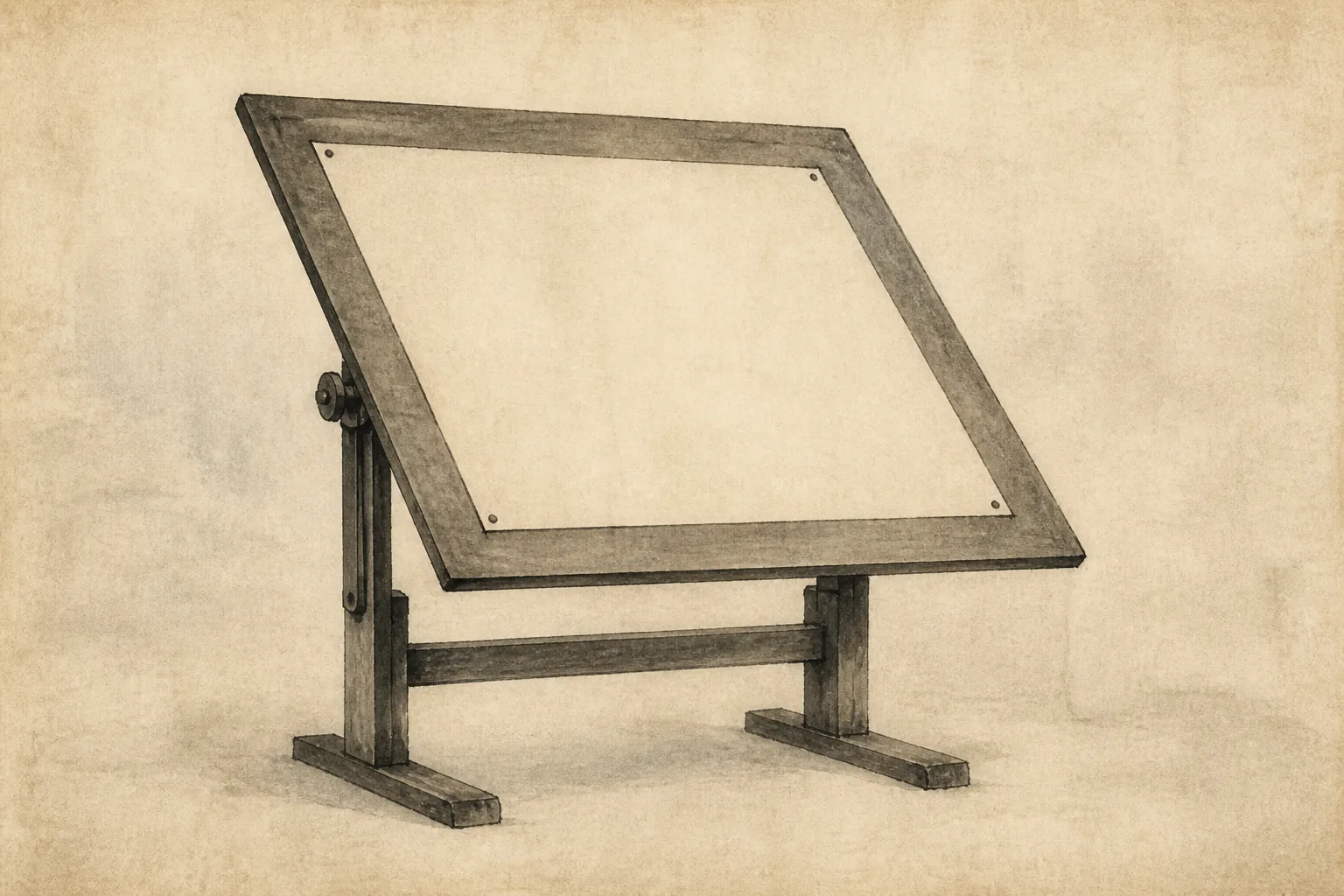
Pardoned after roughly two and a half years, Otori entered the Kaitakushi and traveled to the United States and Britain from 1872. He independently inspected American petroleum, coal, and iron industries and converted wells, mines, furnaces, and machines into detailed illustrated reports. Samples of oil and coal, sectional drawings, a field notebook, slide rule, drafting board, T-square, gears, and bridge models represent observation made reusable at home. He later served in the Ministry of Engineering and as president of the Imperial College of Engineering, institutions created by foreign teachers, students, officials, and craftspeople together. The report leads to industrial history, mining, engineering education, and the Kogakuryo rather than treating postwar life as an epilogue.
VISIT
Storehouse opposite Hakodate Magistrate's Office · HokkaidoOfficial information
A limited opening of the surviving storehouse at Goryokaku, a building also used during the Battle of Hakodate.
Search events related to Keisuke Otori →Browse all Bakumatsu events →