Edo, inside Wadakura Gate
Studies Hyakunin Isshu, calligraphy, waka, and disciplined household forms
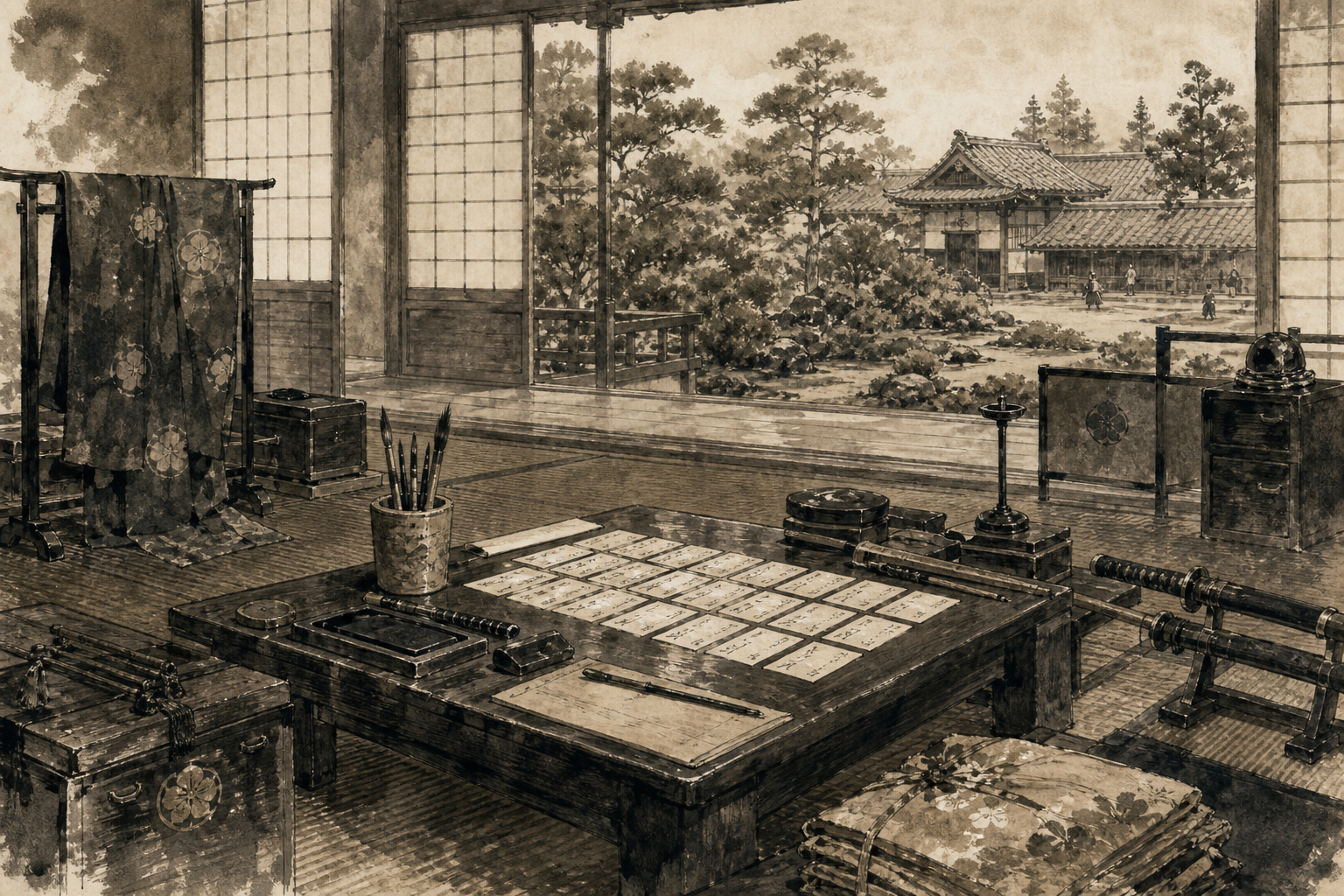
Born in the Aizu upper residence, she learns through reading, copying, recitation, and the routines of a retainer family.
Person Guide
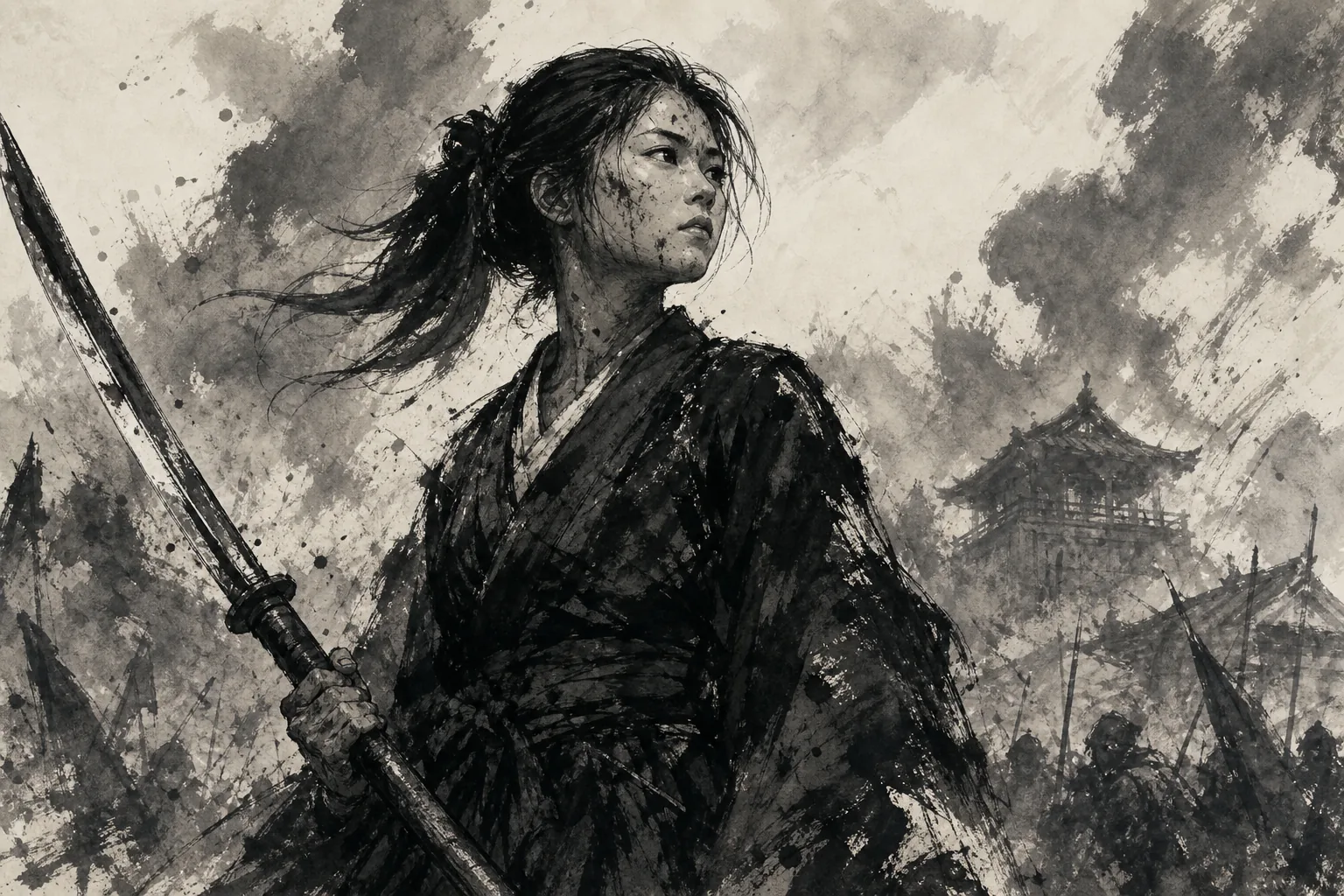
Nakano Takeko is more than a single image of a women's-corps leader holding a naginata. The surviving material record follows Hyakunin Isshu cards, inkstone, waka slips, and etiquette tools at the Aizu upper residence inside Edo's Wadakura Gate; practice naginata, armor, straw target, and training floor in Akaoka Daisuke's dojo; copybooks, inkstones, and an abacus in an Aizubange teaching room; white headbands, sandals, water flasks, medicine packets, and polearm cases on the failed route into Tsurugajo; the approximately 1.6-meter shaft and 45-centimeter blade, manuscripts, box, grave, and plum tree at Hokaiji; and the negotiation at Takaku followed by rifles, cartridge boxes, bridge, riverbank, and memorial at Yanagibashi. Her mother Koko, sister Yuko, fellow women, pupils, teacher, Kayano Gonbei, and Shogitai remain part of the story.
Life
Edo, inside Wadakura Gate
Born in the Aizu upper residence, she learns through reading, copying, recitation, and the routines of a retainer family.
Edo and Akaoka Daisuke's dojo
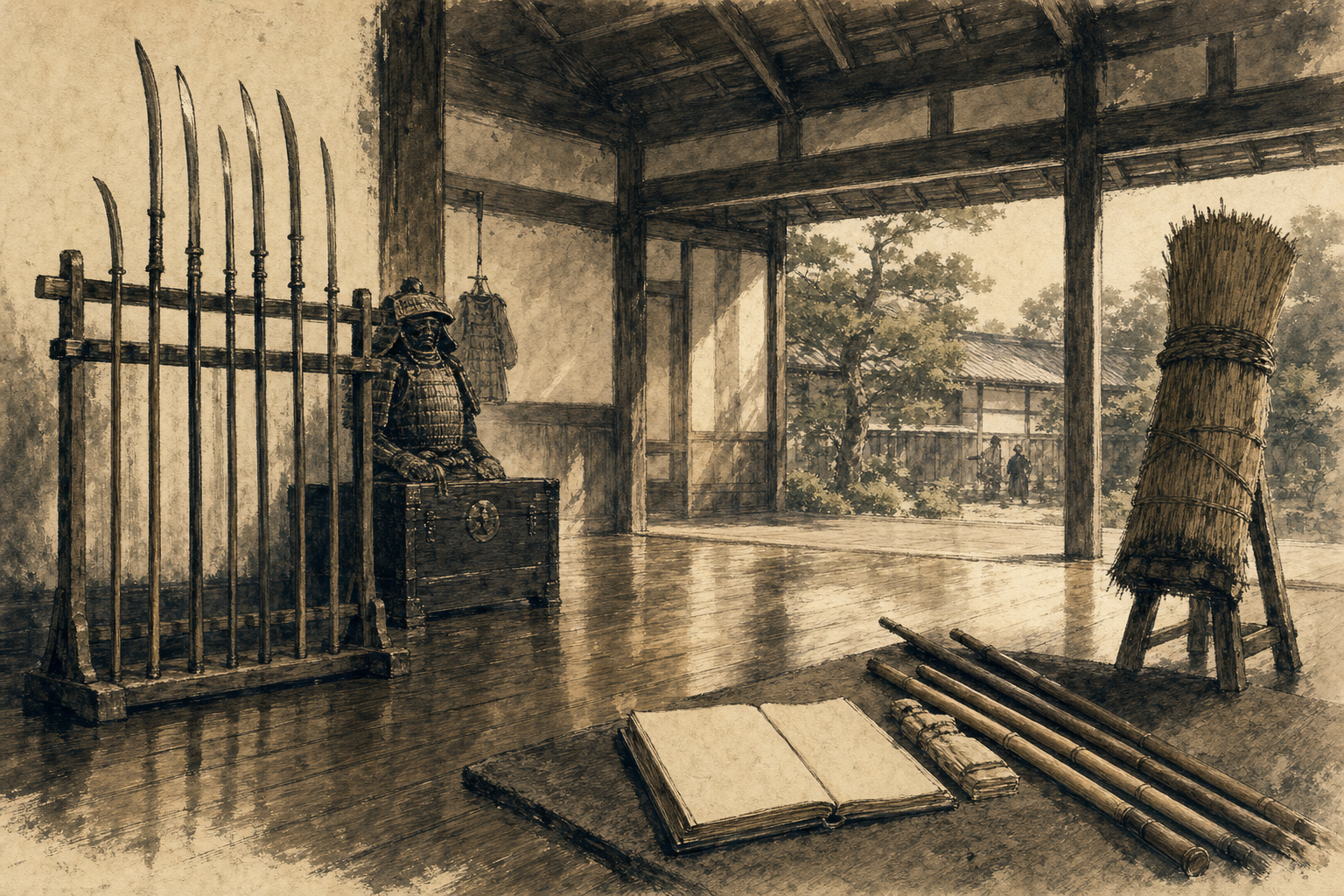
Distance, blade line, and footwork become embodied through repetition rather than appearing suddenly in 1868.
Aizubange
Copybooks, inkstones, abacus, and training weapons move her literary and martial learning into neighborhood education.
Tsurugajo, Bange, Hokaiji
Her mother, sister, and fellow women carry travel and fighting equipment to Bange, then turn back toward the castle.
Takaku
The women's party does not automatically become a regular unit; it negotiates against refusal before joining a combat column.
Yanagibashi, Kurokawa
Conflicting traditions surround the wound and beheading, while death site, grave, objects, and later memorial remain distinct.
東京都千代田区
屋敷は現存しない。和田倉門周辺から、江戸詰め会津藩士の家に生まれ、書と武芸を学んだ生活環境をたどる。
中野竹子
Address東京都千代田区皇居外苑・和田倉門周辺
Nearby
福島県河沼郡会津坂下町
道場の正確な旧位置は資料で断定せず、赤岡大助のもとでの稽古と、帰藩後に字を教えた生活を町の歴史としてたどる。
中野竹子
Address福島県河沼郡会津坂下町中心部
Nearby
福島県会津若松市
竹子、母こう子、妹優子らは籠城を目指したが入れず、照姫避難の誤報を受けて坂下へ向かったとされる。
中野竹子
Address福島県会津若松市追手町1-1
Nearby
福島県河沼郡会津坂下町
戦死地ではない。柳橋から運ばれた首が梅の木の根元に葬られたと伝わり、墓と薙刀・遺墨が残る。公開状況は寺へ確認したい。
中野竹子
Address福島県河沼郡会津坂下町字光明寺東甲3944
Nearby
福島県会津若松市
女性だけの一行が自動的に正規軍へ編入されたのではない。参戦を渋る萱野権兵衛と交渉し、衝鋒隊と行動するまでの場面を置く。
中野竹子
Address福島県会津若松市神指町高久周辺
Nearby
福島県会津若松市
神指町黒川の柳橋付近で戦死したとされ、湯川端に1938年建立の碑が立つ。負傷箇所と介錯者には異説がある。
中野竹子
Address福島県会津若松市神指町大字黒川街道西250付近
Nearby
Keys
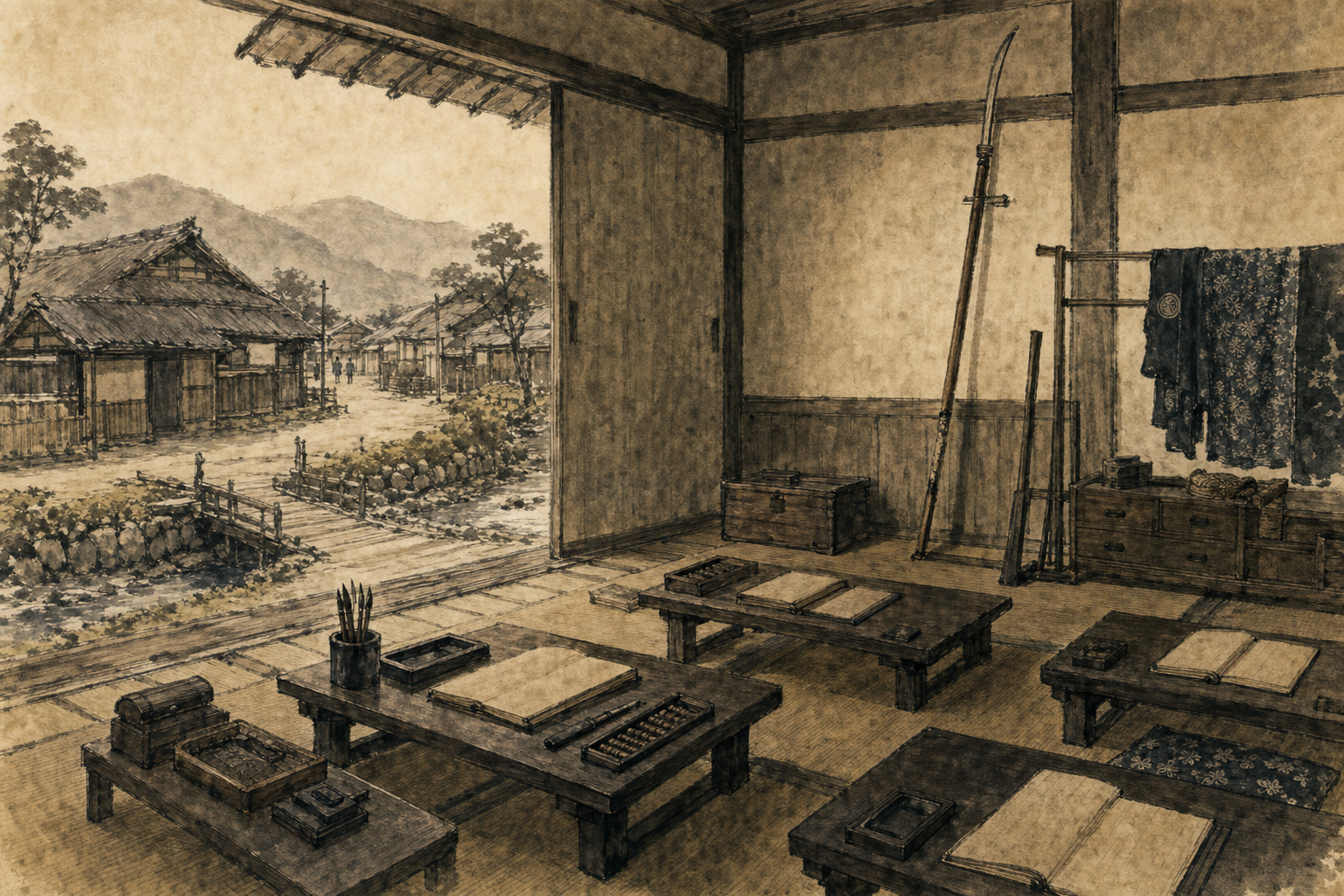
Fukushima Prefecture's account places Nakano's birth in March 1847 inside the Aizu domain's upper residence at Edo's Wadakura Gate, as the eldest daughter of Nakano Heinai and Koko. Hyakunin Isshu cards, inkstone, brushes, waka slips, copy models, document box, garment rack, and etiquette objects locate her not simply in 'Aizu' but in the daily world of an Edo-posted retainer household. Stories that she memorized the anthology at five and repeatedly received recognition for writing vary in evidentiary weight, yet repeated reading, copying, recitation, and posture help explain both her literary practice and later ability to teach children.
Nakano is said to have entered the instruction of naginata teacher Akaoka Daisuke around age seven and to have reached license level. Blunted practice naginata, shafts of different length, armor, gloves, a straw target, floorboards polished by footwork, a training ledger, and license scroll turn the weapon from portrait decoration into a system of distance, blade angle, body movement, receiving, and sweeping. Akaoka, fellow pupils, and the household sustaining the dojo also belong in the scene. Rather than calling the naginata merely obsolete beside rifles, the page treats it as the technique most deeply embodied through her youth.
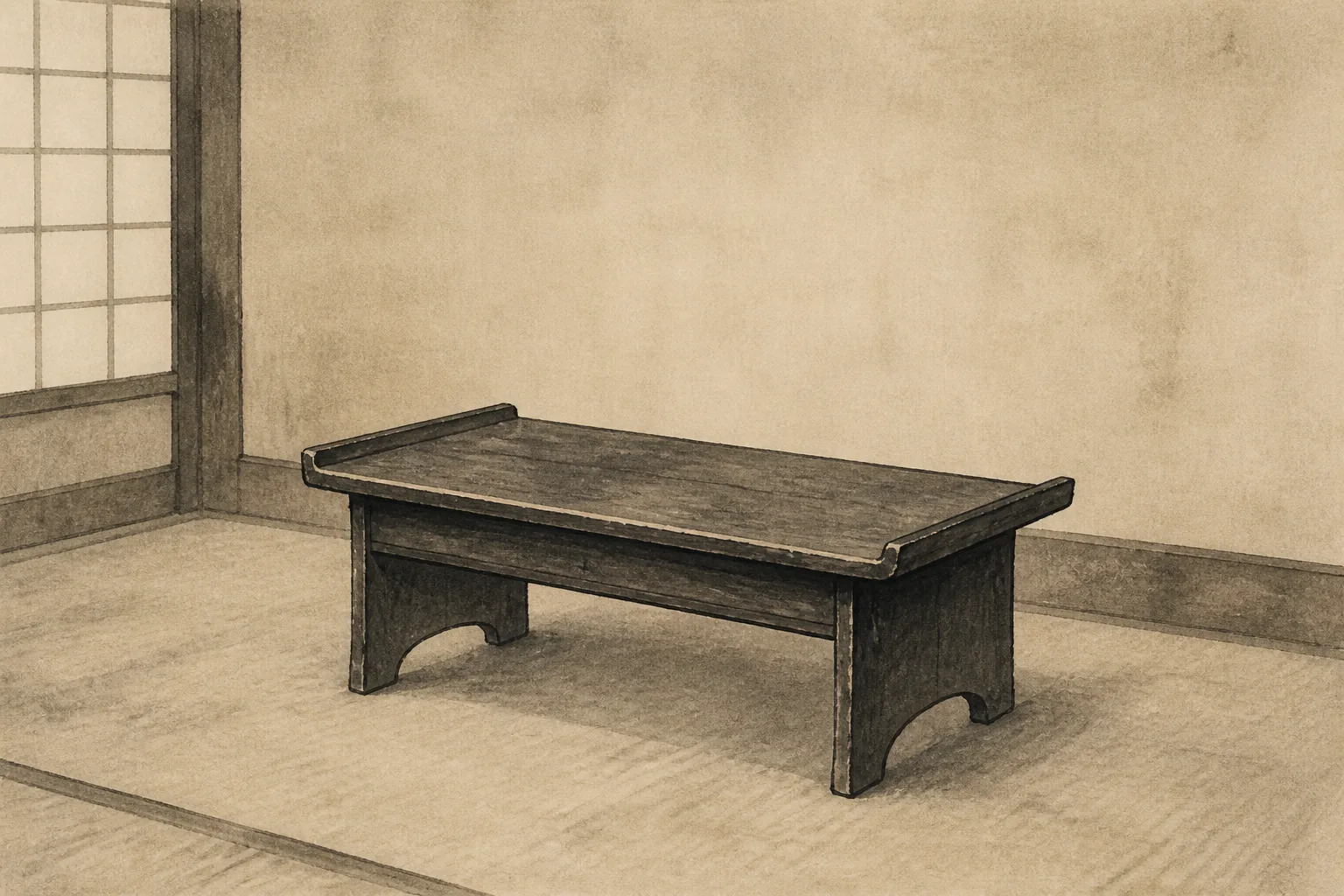
When the Edo residence was withdrawn in 1867, Nakano returned to Aizu, stayed with Akaoka's dojo in Aizubange, and is remembered as teaching local children writing while continuing naginata practice. Low desks, brush boxes, inkstones, elementary copybooks, an abacus, cleaning cloth, and children's practice naginata show the year before her death apart from battle. Knowledge had shifted from private cultivation to teaching within a neighborhood. Because the exact former dojo site should not be asserted without stronger documentation, the card uses the town and the material layout of instruction to describe her local role.
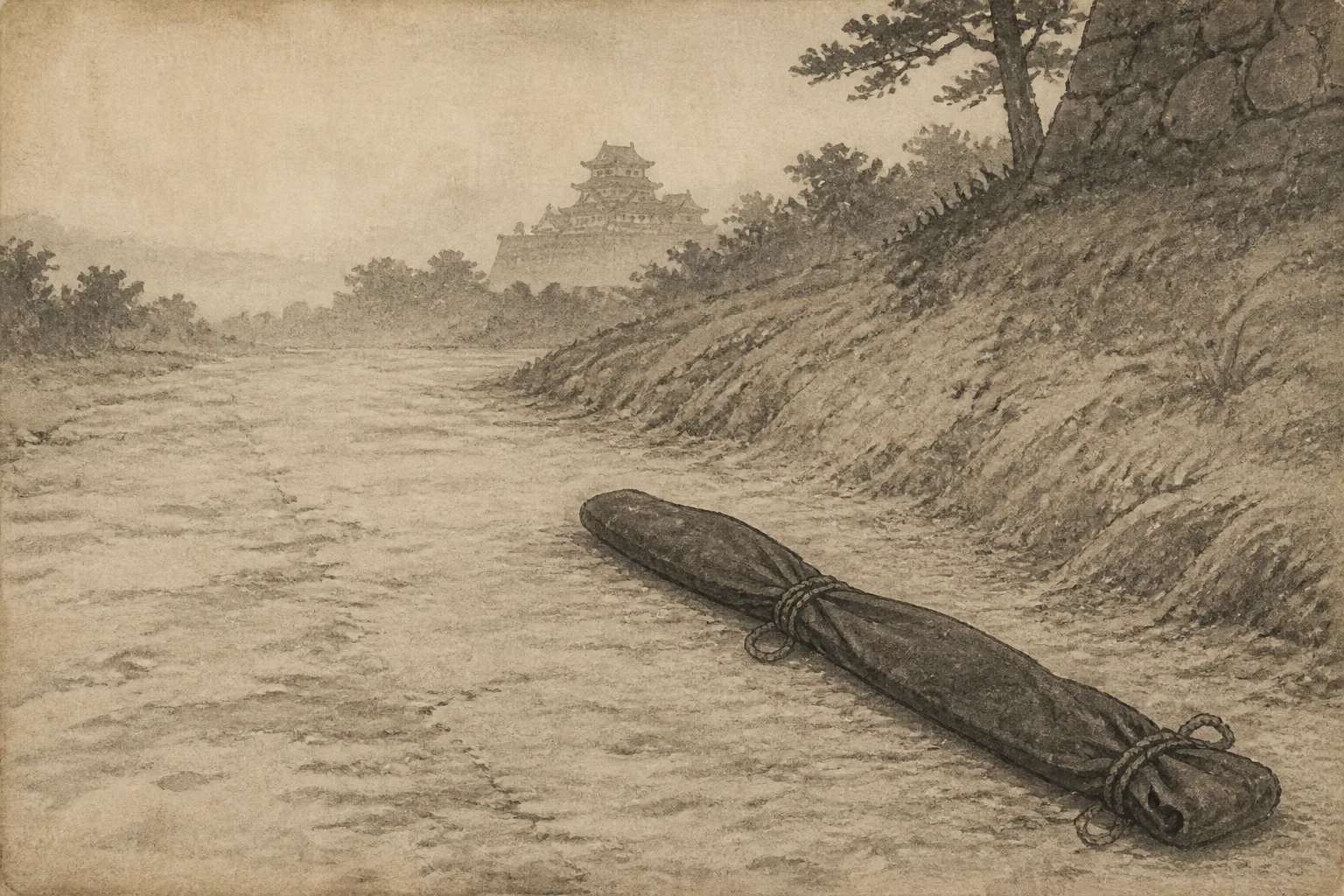
As government troops approached the castle town, Nakano, her mother Koko, sister Yuko, and others tried to enter Tsurugajo but could not. A white headband, straw sandals, leggings, water flask, rice parcel, medicine packet, spare clothing, and naginata case restore the decision to a day's movement rather than an abstract uprising. They joined Okamura Sumako, Yoda Makiko, Kikuko, and others and followed a false report that Teruhime had evacuated to Bange, hoping to serve as her guard. The Joshigun or later-named Joshitai was not a fully prepared regular unit; it formed through failed entry, rumor, and shared travel.
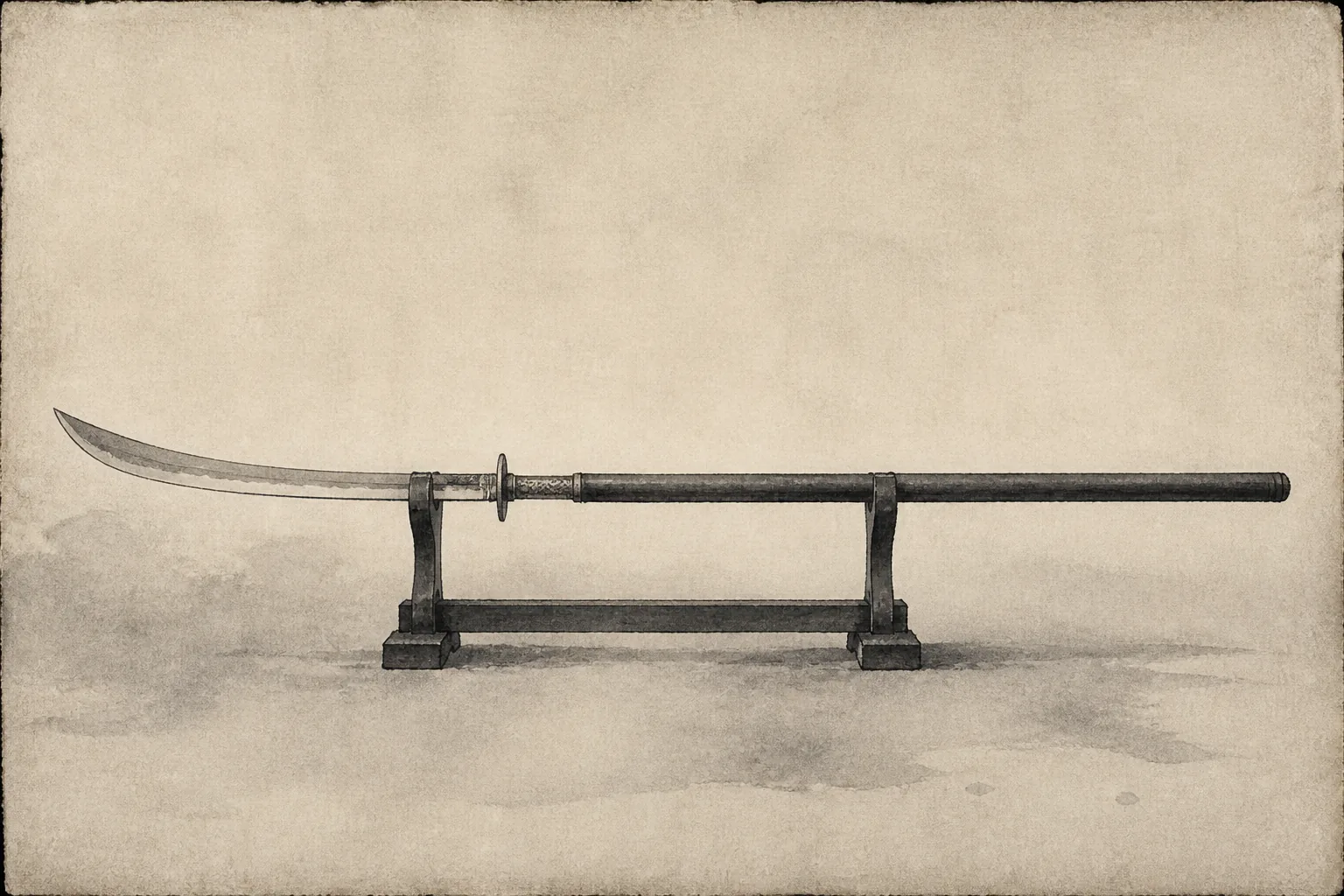
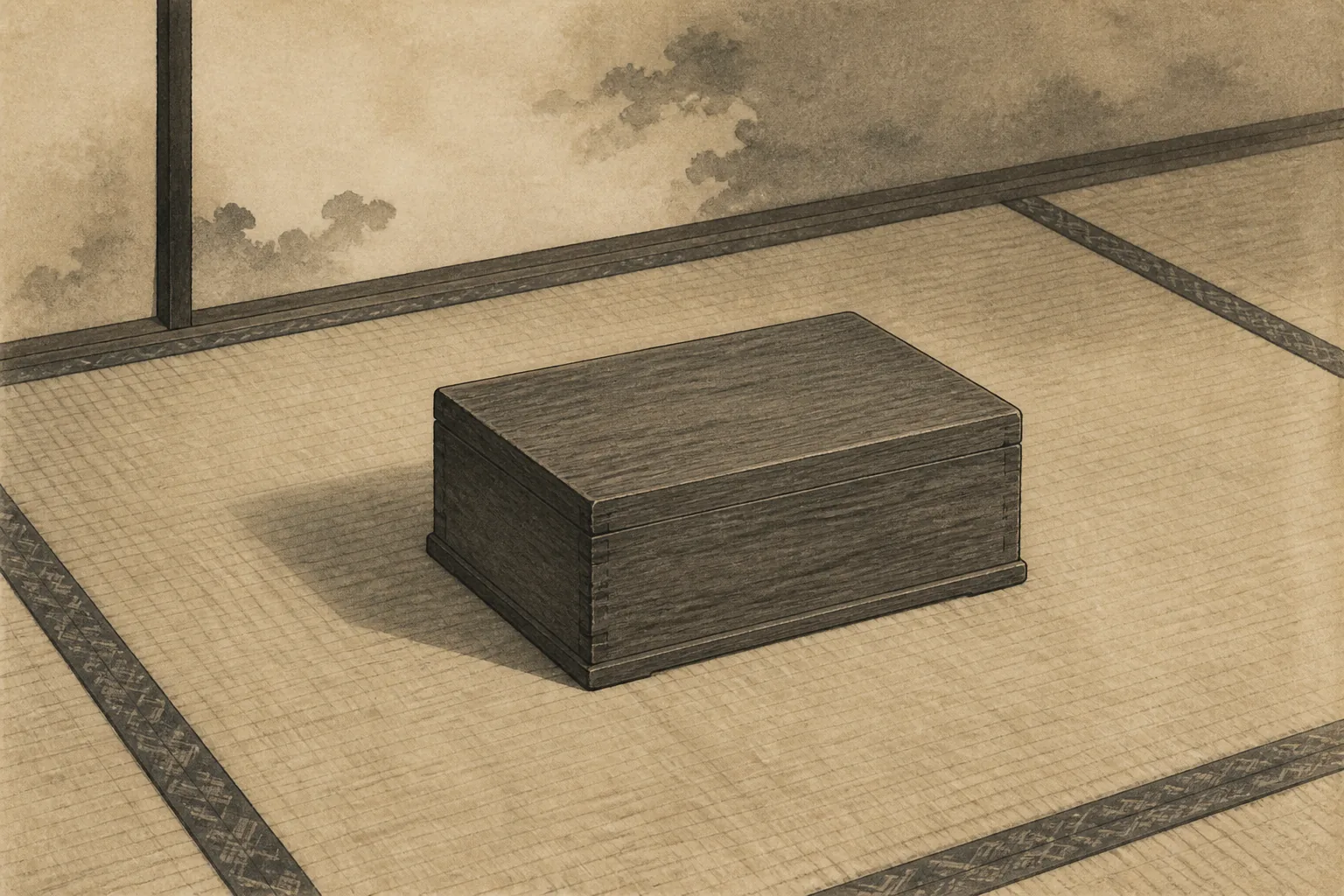
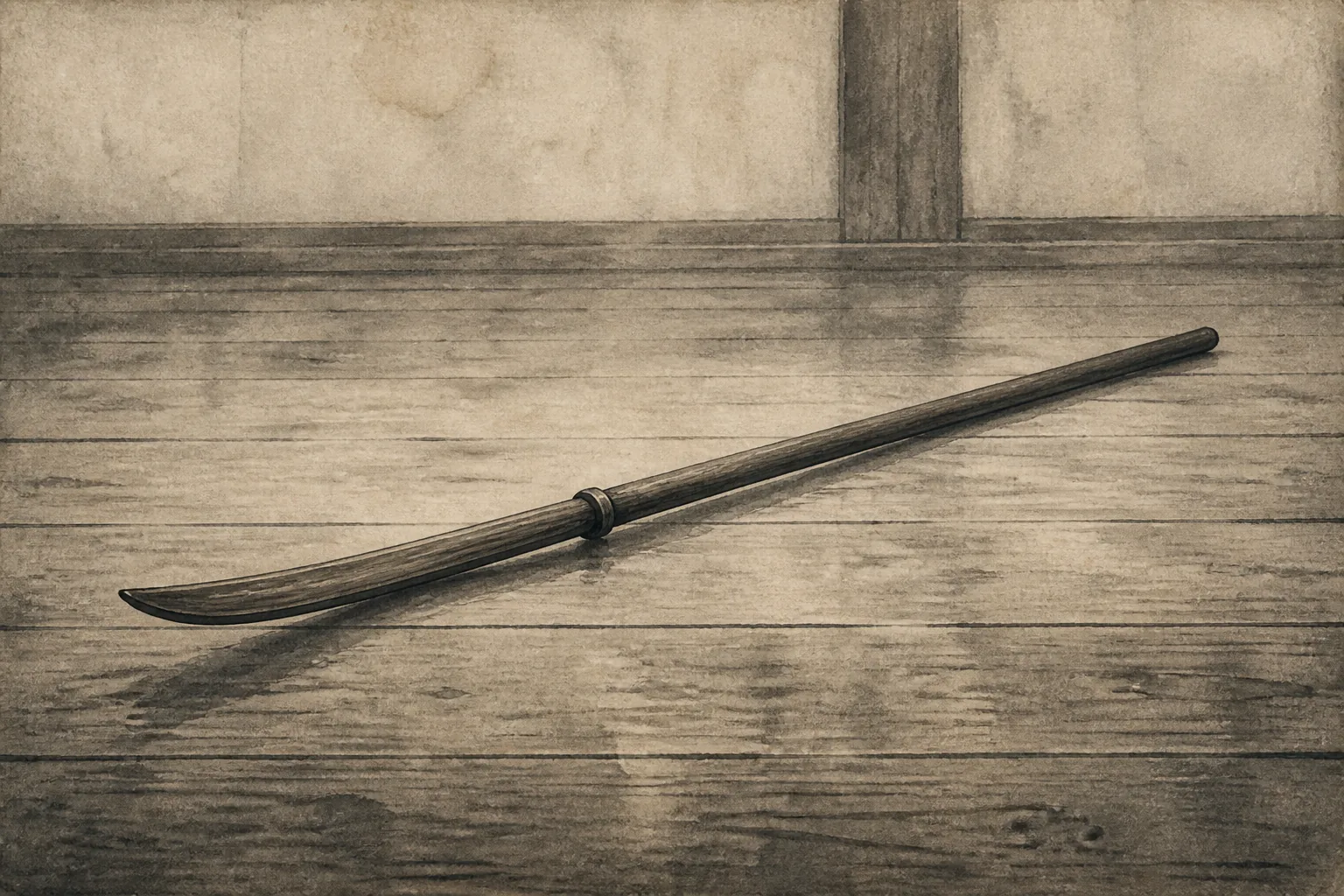
Hokaiji in Aizubange holds Nakano's grave. Fukushima's account says the temple preserves the naginata attributed to her, with a shaft about 1.6 meters long and a blade about 45 centimeters, together with surviving calligraphy. The long shaft, curved blade, sheath, wrapping cloth, wooden box, ink traces, grave, and plum tree beneath which her head is said to have been buried place martial and literary remains in one repository. Hokaiji is not the Yanagibashi death site, and the objects may not always be on public display, so visitors should confirm access with the temple rather than treating grave visitation and collection viewing as identical.
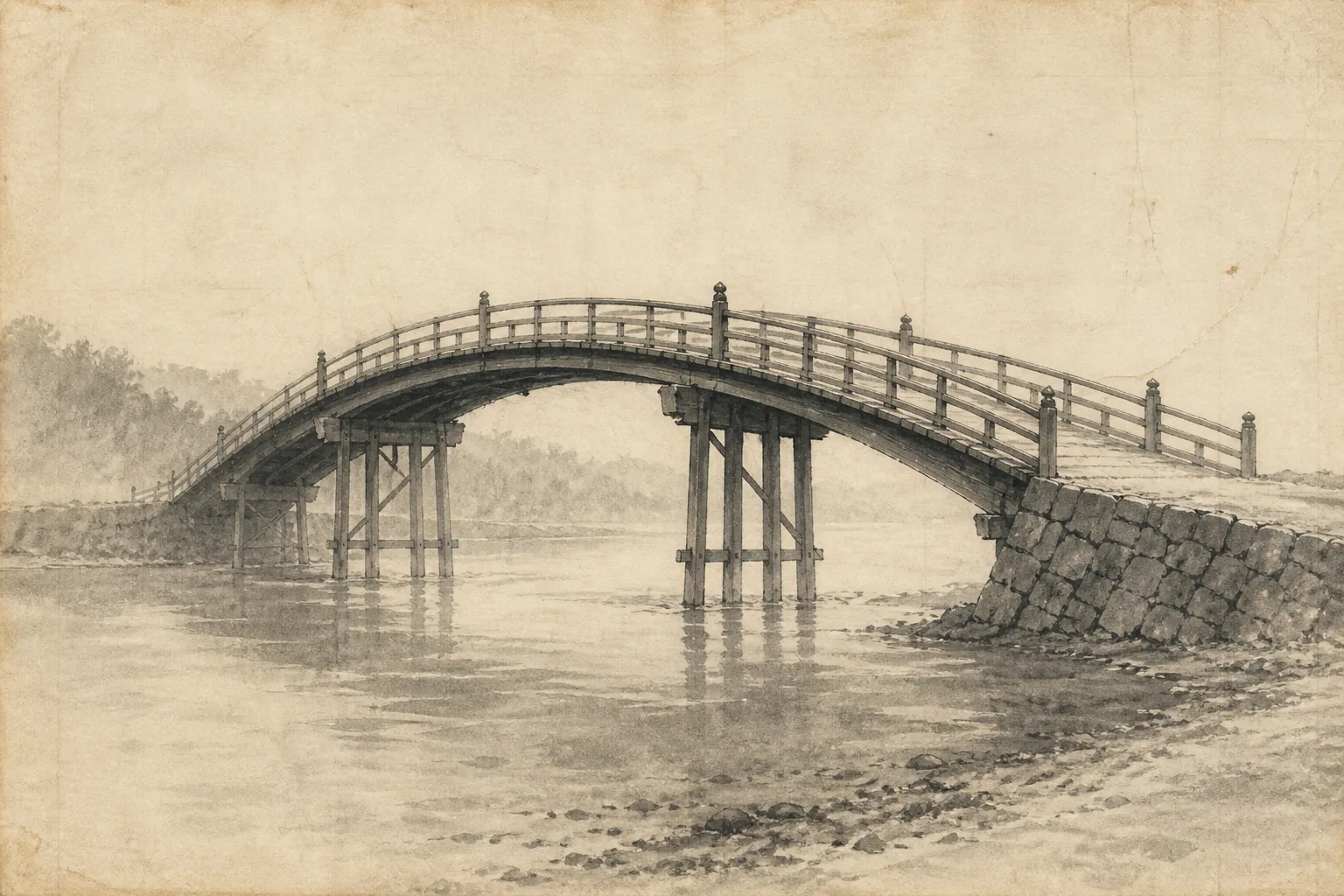
After spending a night at Hokaiji and learning Teruhime was inside the castle, the women turned back. At Takaku they asked Kayano Gonbei for permission to fight and, according to the prefectural account, overcame his reluctance by threatening suicide if refused, then moved with the Shogitai. The next day at Yanagibashi in Kurokawa, naginata, government rifles, cartridge boxes, smoke, bridge, and riverbank converged as Nakano fell. Sources differ over whether the bullet struck her forehead or chest and whether Yuko or a farmer completed the beheading. The 1938 memorial is later commemoration, not the battle remains themselves.
VISIT
Search events related to Takeko Nakano →Browse all Bakumatsu events →