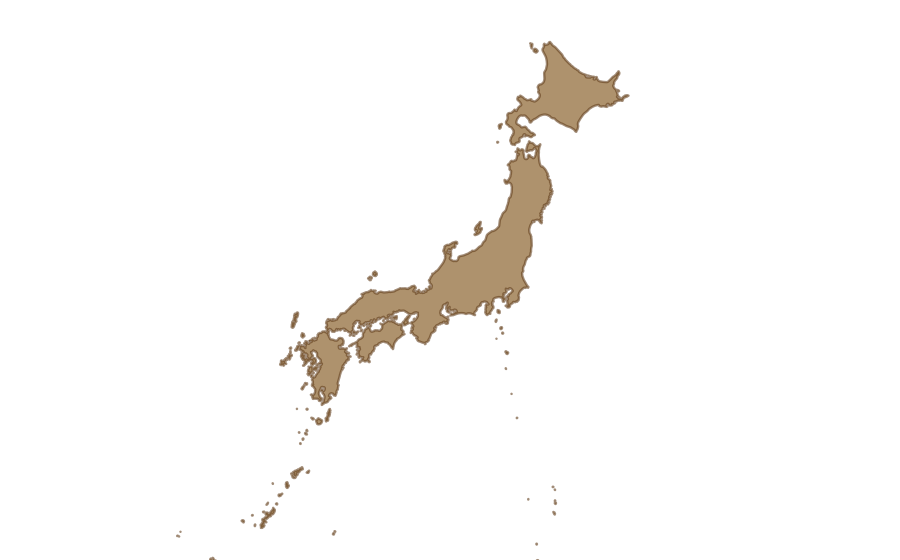
Serizawa, Namegata, Hitachi
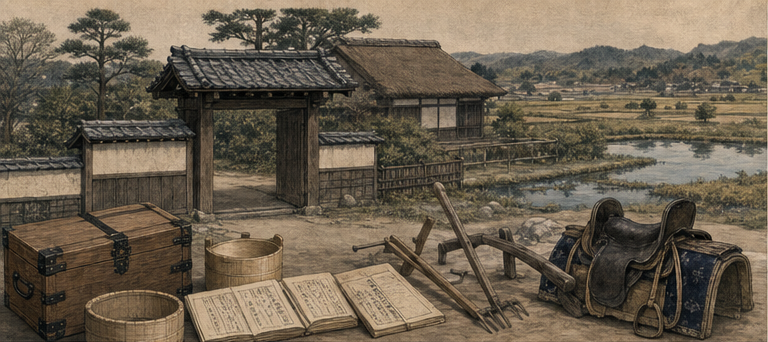
Grows within a landscape of family registers, fields, tools, horses, and water routes
Disputed names, genealogy, and birth year remain visible rather than repaired by later legend.
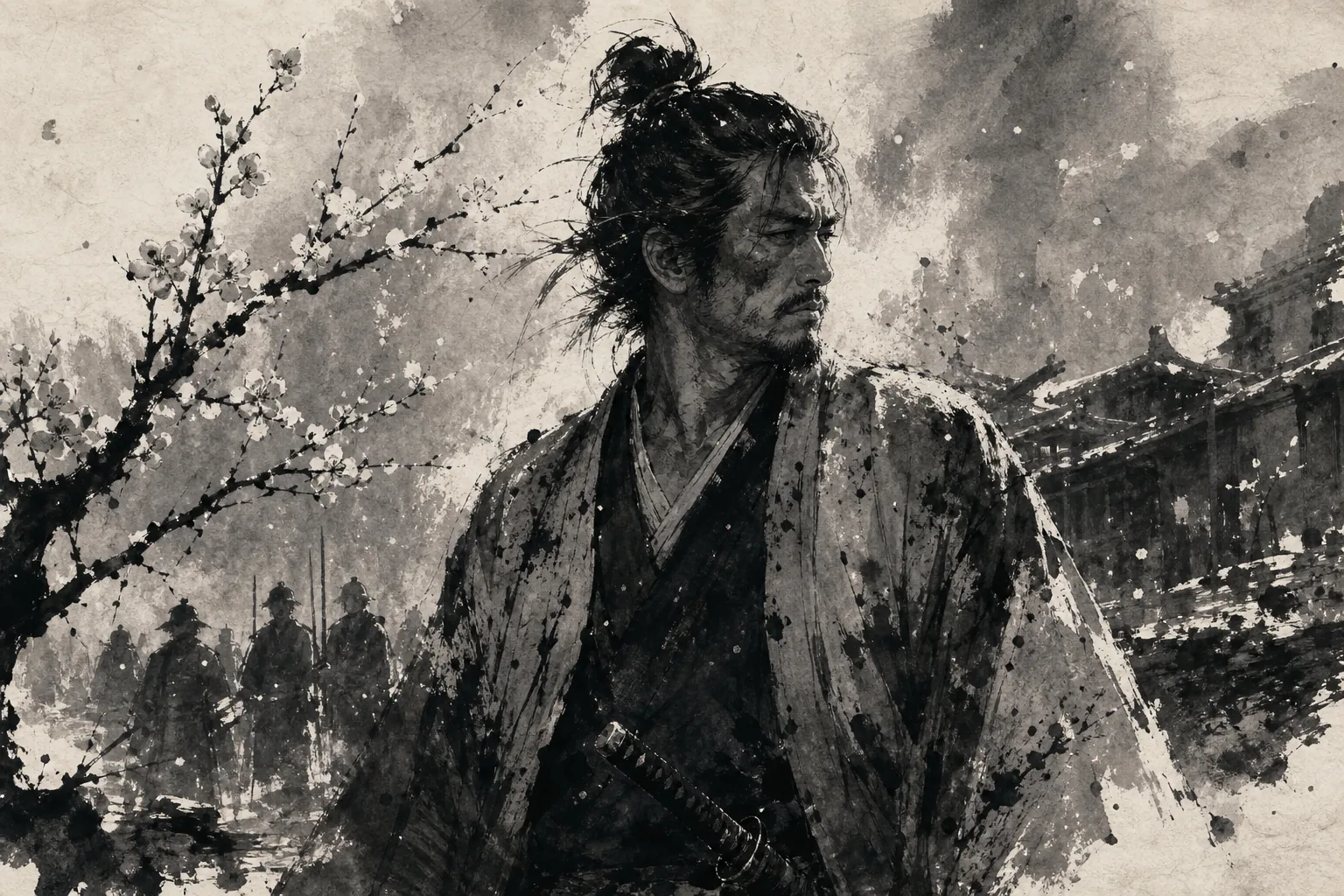
Person Guide
Serizawa Kamo was an early commander of the Mibu Roshigumi, the organization that soon became the Shinsengumi. He was killed in Mibu in 1863 during an internal purge, but many stories about his violence and character come from later accounts. Contemporary evidence and later legend are kept distinct while tracing his life and surviving poem.
Life
Serizawa, Namegata, Hitachi
Disputed names, genealogy, and birth year remain visible rather than repaired by later legend.
Namegata and Mito domain
Faction names, imprisonment, and release chronology are checked against documents.
Edo, Nakasendo, Kyoto
Kiyokawa’s plan, shogunate orders, and post-town burdens exceed one man’s journey.
Mibu, Kyoto
Registers, food, duties, funding, landlords, and Aizu messages make the organization.
Central Kyoto and Mibu
Colorful violence returns to creditors, damaged property, neighborhoods, and compensation.
Yagi residence and Mibudera
Event, temple tradition, 1931 marker, and later commemoration remain separate dates.
Namegata, Ibaraki Prefecture
The surviving gate and grounds are examined with local history and family documents rather than treated as an unchanged reconstruction of Serizawa Kamo's birthplace.
Serizawa Kamo
Address475 Serizawa, Namegata, Ibaraki Prefecture
Nearby
Mito, Ibaraki Prefecture
Presented as a regional starting point for researching Mito education and political movements, not as proof that Serizawa studied at Kodokan.
Serizawa Kamo
Address1-6-29 Sannomaru, Mito, Ibaraki Prefecture
Nearby
Bunkyo, Tokyo
The roster and travel records document the movement of more than two hundred recruits toward Kyoto; the present temple grounds should not be mistaken for an unchanged 1863 scene.
Serizawa Kamo and the Roshigumi
Address3-14-6 Koishikawa, Bunkyo, Tokyo
Nearby
Nakagyo Ward, Kyoto
The Yagi residence and other lodgings such as the Maekawa house reveal how buildings and household records shaped the early organization.
Serizawa Kamo and the Mibu Roshigumi
Address24 Mibu Naginomiya-cho, Nakagyo Ward, Kyoto
Nearby
Shimogyo and Nakagyo wards, Kyoto
Later guide narratives are checked against neighborhood documents, merchant accounts, fire records, and petitions before fixing the locations and details of violent incidents.
Serizawa Kamo and the Mibu Roshigumi
AddressShijo-Omiya area, Kyoto
Nearby
Nakagyo Ward, Kyoto
The graves of Serizawa Kamo and Hirayama Goro are read separately from later temple traditions, memorial consolidation, and monuments.
Serizawa Kamo
Address31 Mibu Naginomiya-cho, Nakagyo Ward, Kyoto
Nearby
Keys
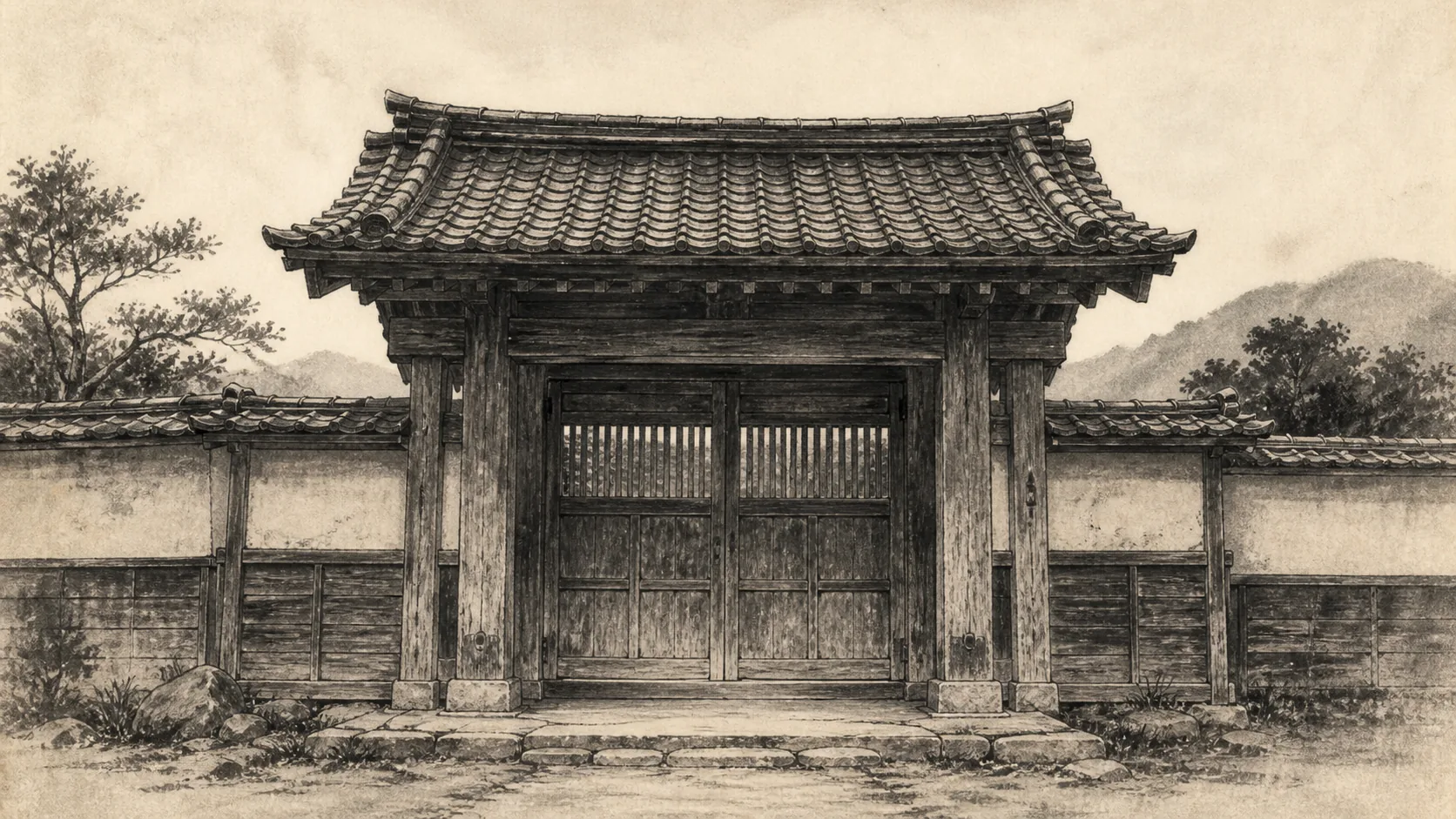
Serizawa Kamo is associated with Serizawa village in Hitachi’s Namegata district, and Namegata City identifies the former Serizawa family property as his birthplace site. The gate, genealogy, land register, tax notes, rice measure, plow, sickle, horse tack, document chest, and routes connected to the Kasumigaura watershed place warrior lineage within rural management and transport. Surviving buildings are not automatically the complete birth-period house or repositories of his personal possessions. His original name, exact genealogy, and birth year remain disputed, so one later biography is not promoted as certainty. Architectural dating, family papers, local landholding, Mito-domain village administration, and waterways provide firmer research than projecting Kyoto character stories backward.

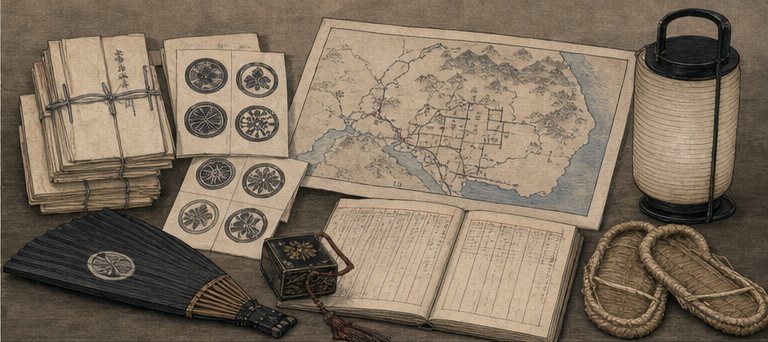
Late Mito politics joined education, coastal defense, armament, surveys, and fiscal reform to sonno-joi activism, factional conflict, and punishment. Circulars, petitions, signature lists, domain maps, contribution and loan ledgers, seal boxes, sandals, lanterns, and a closed iron fan help trace how ideas became organization, money, travel, and coercion. Accounts of Serizawa’s connection to Tengu factions, Tamatsukuri forces, imprisonment, and release vary in terminology and chronology and require contemporary documents. The iron fan, drinking, and feats of strength should not serve as personality proof without dated sources. Reading paths lead to Mito reform, local networks, political fundraising, punishment records, and the movement of rural activists.
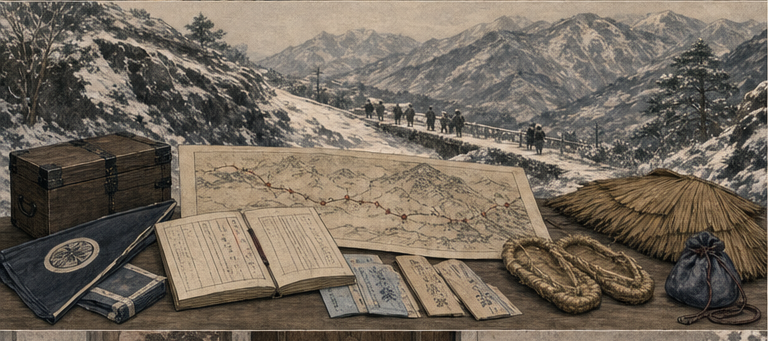
In 1863 the shogunate recruited men without strict status limits into the Roshigumi to guard the shogun’s Kyoto journey, and a party often counted at 234 traveled west. Applicant lists, group assignments, the Denzuin gathering, route maps, inn allocations, lodging slips, sandals, rain capes, medicine pouches, baggage chests, and food accounts show mass movement as administration and a burden on post towns. Serizawa, Kondo Isami, Hijikata Toshizo, and others entered the same institution from different backgrounds. Kiyokawa Hachiro’s political plan, the shogunate’s return order, and the minority decision to remain in Kyoto were separate stages. The Roshigumi should not be treated as the fully formed Shinsengumi from departure.
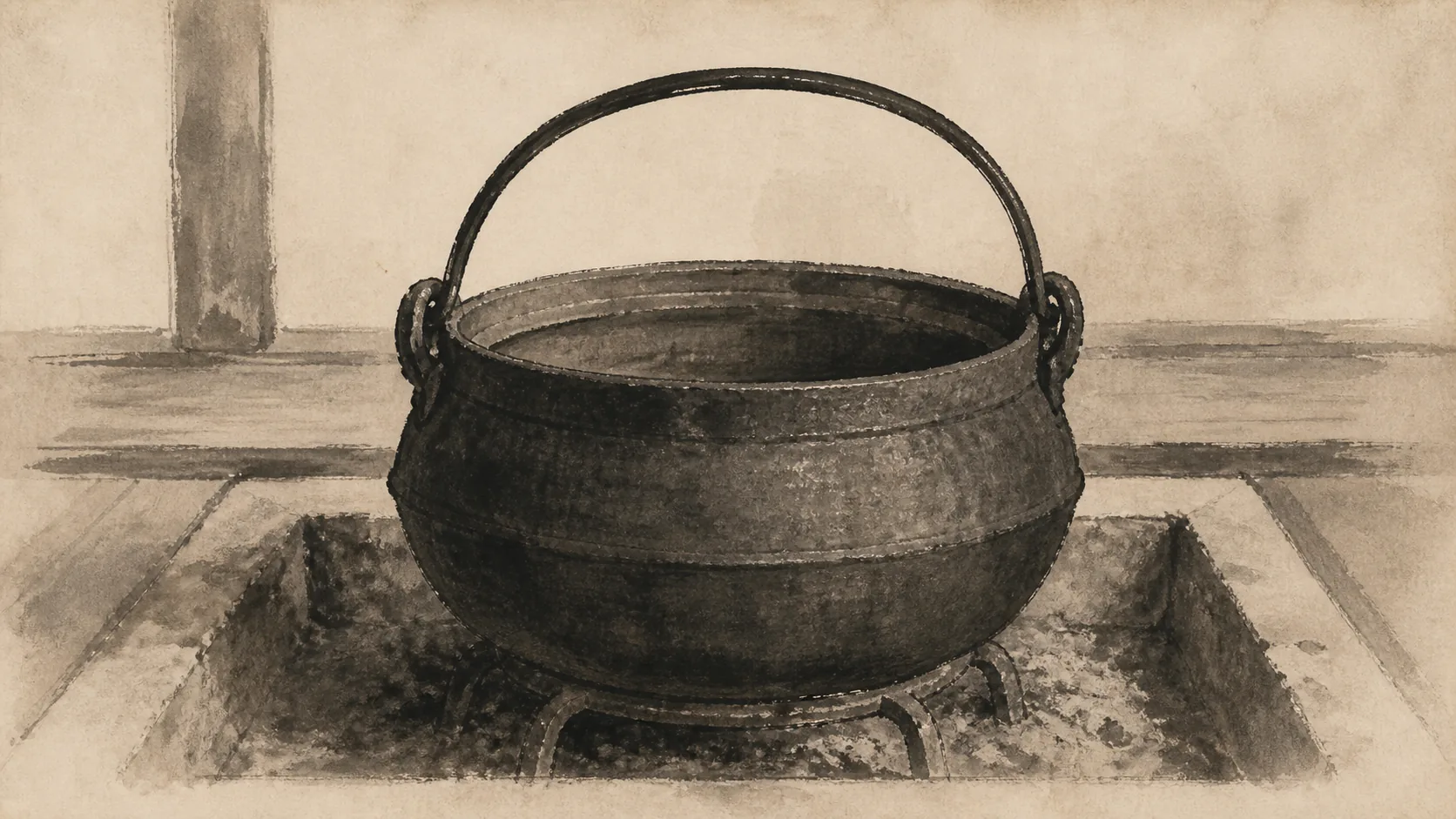
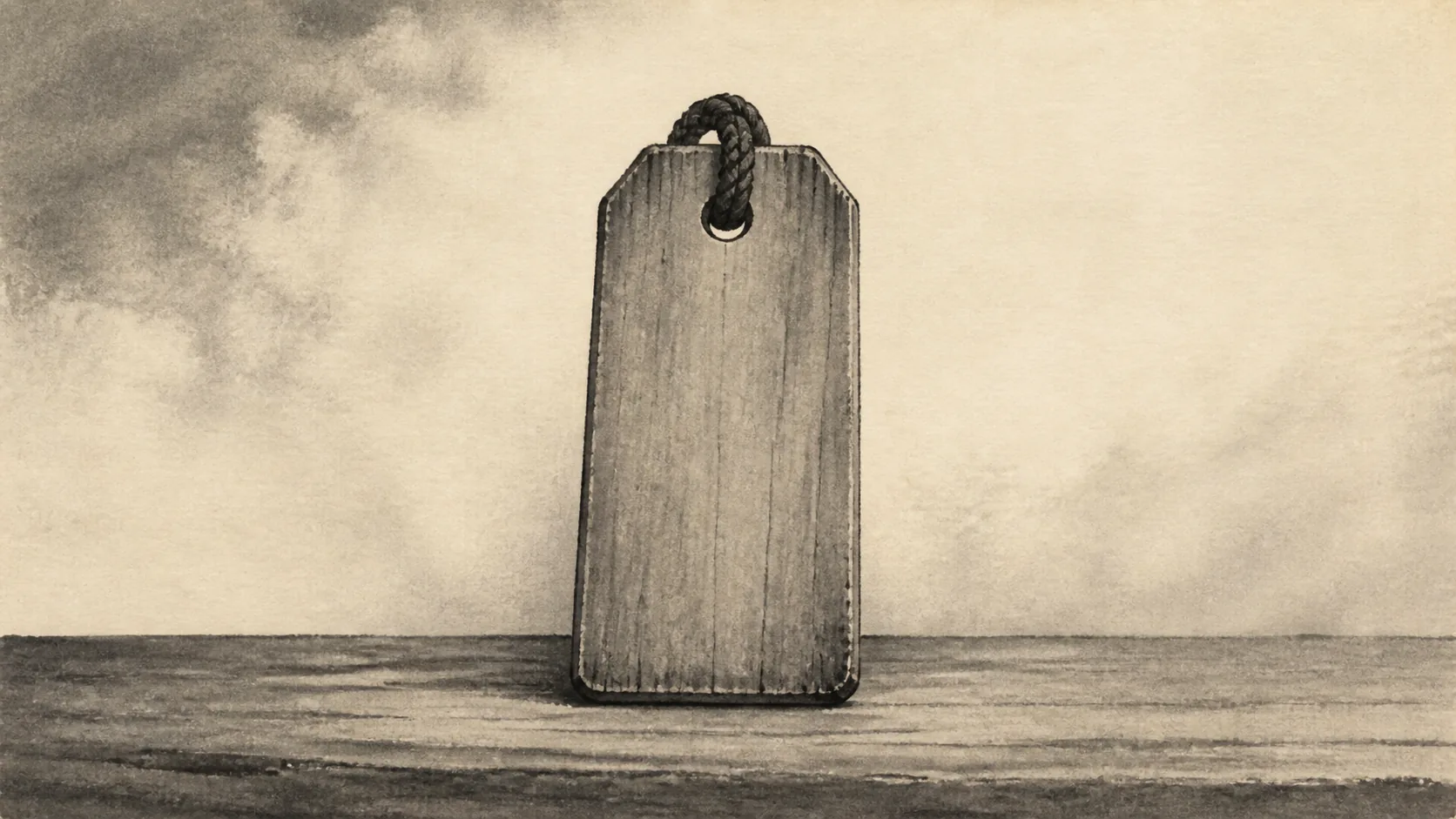
The Roshigumi reached Kyoto in February 1863 and lodged across the Yagi, Maekawa, and other houses in Mibu. Serizawa, Kondo, and a minority rejected the return order and developed into the Aizu-domain-sponsored Mibu Roshigumi for guard and patrol duties. Floor plans, lodging registers, wooden tags, lanterns, cooking pots, rice tubs, bedding rolls, weapon storage, duty schedules, and message boxes expose the cost and friction of converting private residences into group quarters. The organization was not made by one founder or a simple Serizawa-versus-Kondo rivalry; landlords, servants, neighbors, food, money, and Aizu command mattered. The Yagi house is a designated building, while its 1931 historical marker is later commemoration.
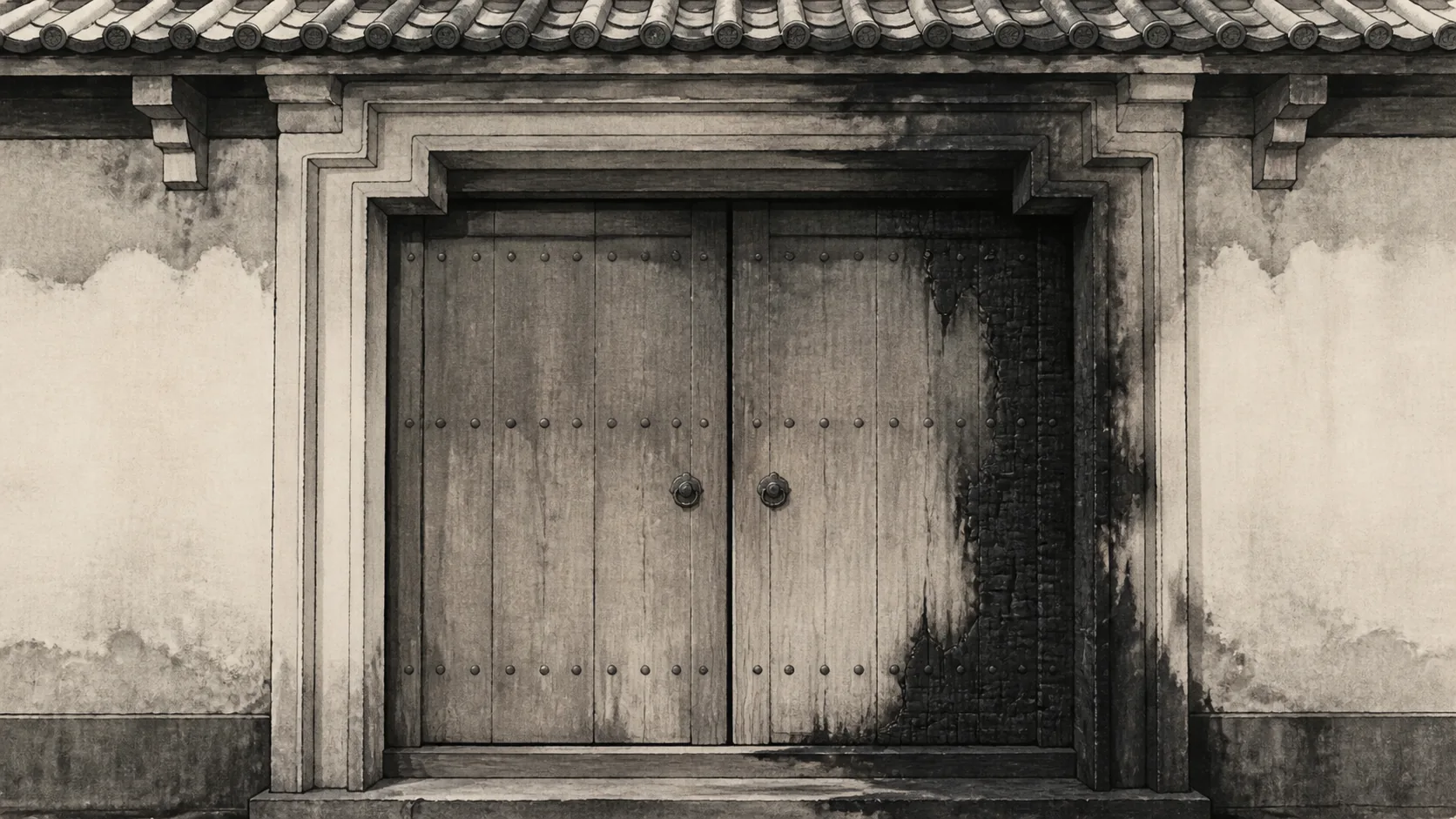
Stories connect Serizawa to coercive fundraising, conflicts with merchants, and the burning of Yamatoya. Sales ledgers, promissory notes, receipts, neighborhood complaints, damage reports, compensation accounts, warehouse doors, charred timber samples, buckets, and a hand pump reveal losses and urban fire risk hidden by colorful strongman tales. Exact shop location, date, participants, and scale differ across contemporary evidence, later recollections, guide narratives, and fiction; the page therefore avoids staging the incident as certain spectacle. Flames and attackers are absent from the illustration. Research should move toward Kyoto neighborhood archives, merchant accounts, urban firefighting, magistrate complaints, and the financing of armed groups.
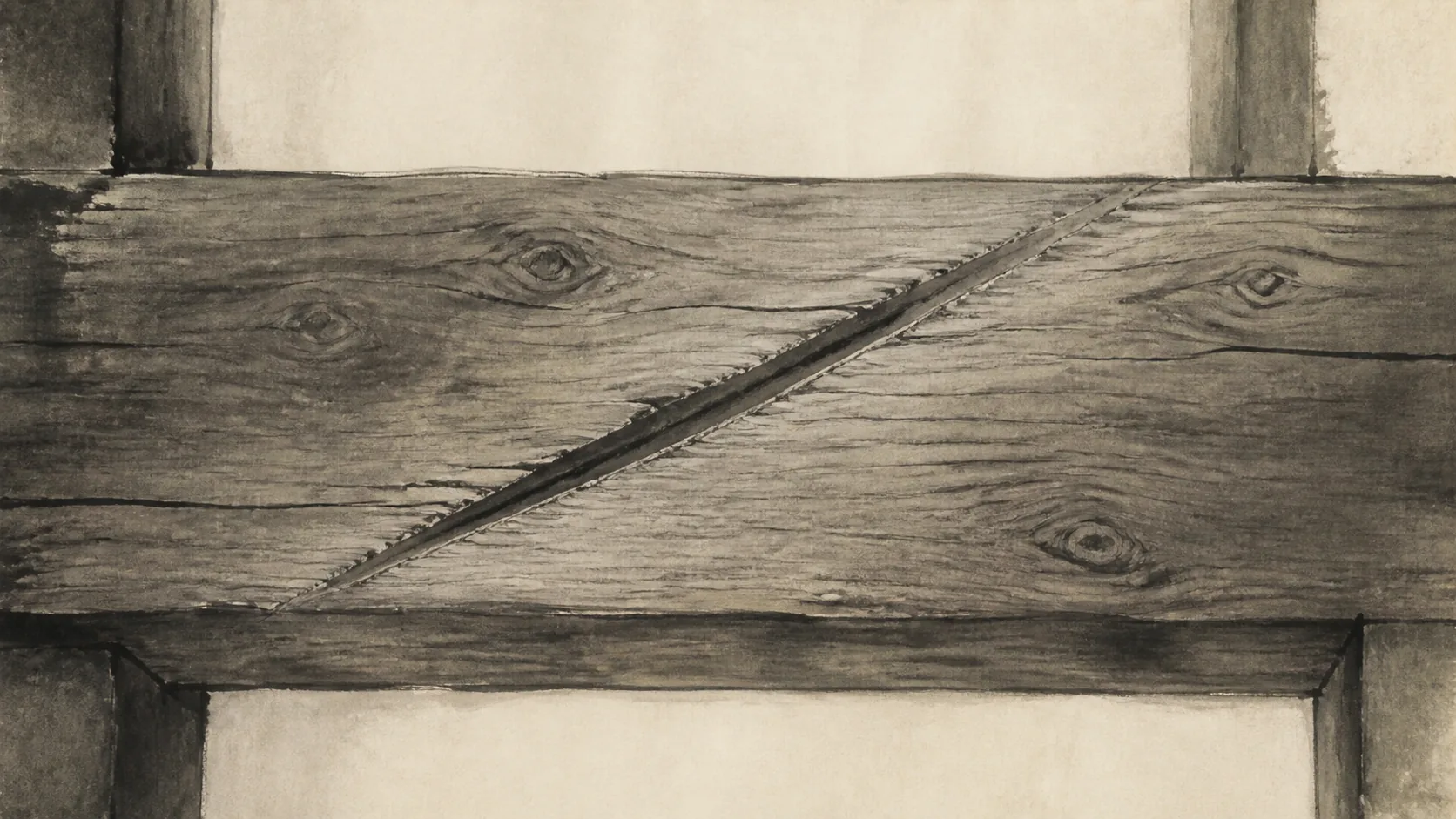
Serizawa and Hirayama Goro died at the Yagi residence in September 1863 and have graves in Mibudera’s Mibuzuka precinct. A rear-room plan, the mark traditionally identified on a lintel, household testimony, later interviews, unused scabbards, gravestones, rubbings, and incense show an event becoming architectural and ritual memory. Sources differ on date handling, assailants, command responsibility, and who was present; a cut in timber cannot settle the complete sequence. Architectural traces and memorial objects keep the focus on evidence rather than a reenactment of attack, bloodshed, or death. The Yagi residence and Mibudera are separate sites, and temple traditions, grave inscriptions, later collective burials, statues, and the 1931 marker must not be treated as contemporaneous eyewitness evidence.
VISIT
Ryozen Museum of History · KyotoOfficial information
An exhibition using historical materials to explore the individual lives of Shinsengumi members including Kondo Isami, Hijikata Toshizo, Okita Soji, and Serizawa Kamo.
Search events related to Kamo Serizawa →Browse all Bakumatsu events →