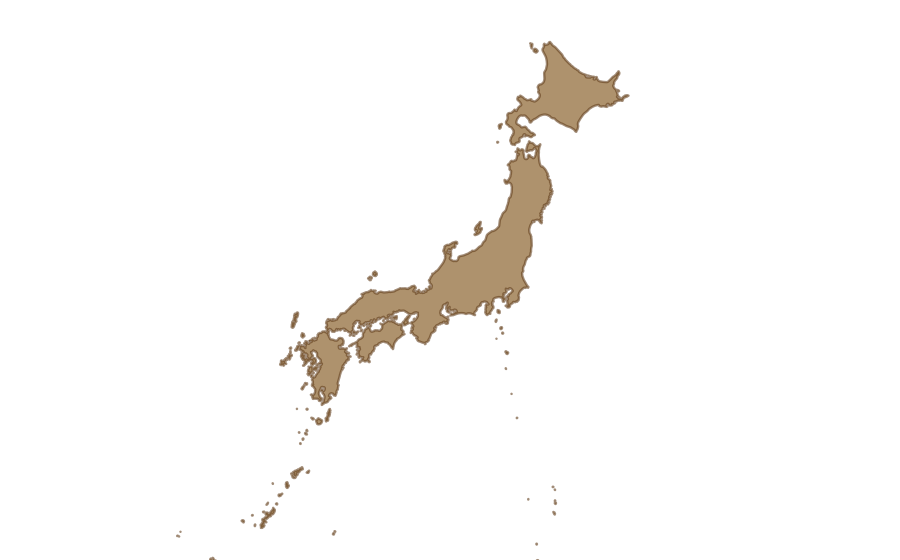
Higashirenji and Edo
Moves from a physician household of medicines and classics toward Shoheizaka study
Birth, father, adoption, and enrollment remain genealogy and roster questions.
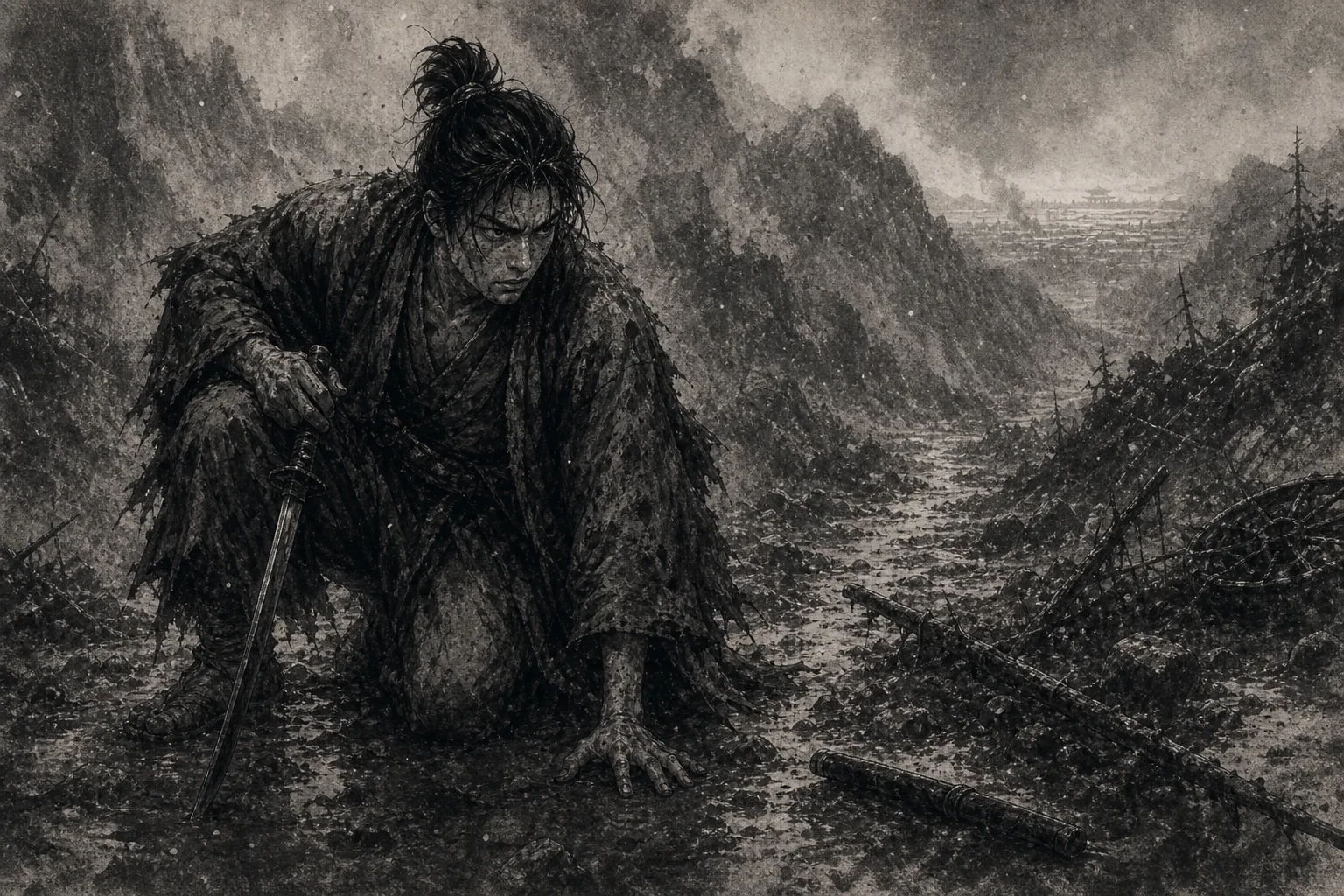
Know the Person
Tanaka Ganzo is not reduced to either the demon who burned Tochigi or a brilliant twenty-one-year-old radical. The surviving material record follows a possible Mito-domain physician household through medicine chests, herb books, scales, and genealogy; Shoheizaka and Ji-yokan education through classics, lecture notes, rules, and attendance ledgers; the conversion of academy ties into mobilization through rosters, oaths, travel papers, sandals, and ration sacks; forced fundraising through demand letters, contribution books, loan notes, receipts, and merchant accounts; civilian losses in Tochigi, Manabe, and other settlements through burned-lot maps, complaints, inventory losses, and firefighting equipment; and collapse in the Yamizo mountains and punishment at Hanawa through empty grain sacks, route maps, disbandment records, custody papers, interrogation files, armor evidence, and a later marker. The Tengu Party as a whole is distinguished from Tanaka’s detachment. Arson and coercion are not excused, while later monster stories remain subject to source comparison. Reading paths lead to Mito medicine, academies, mobilization, military finance, merchant archives, urban fire, mountain logistics, magistrates, and memorials.
Life
Higashirenji and Edo
Birth, father, adoption, and enrollment remain genealogy and roster questions.
Noguchi local academy
The age of eighteen and fourth-head claim requires appointment evidence.
Noguchi and Tsukuba
Students, farmers, ronin, later recruits, and totals remain separate lists.
Fuchu and neighboring towns
Exclusion from the main force and responsibility for each incident require dates.
Tochigi, Manabe, and Nakanuki
Several attacks are not merged into one date, number, or damage total.
Yamizo and Hanawa
Disbandment, custody, sentence, execution, and memorial keep distinct dates.

茨城県常陸太田市東連地町
東連地村の藩医猿田玄碩の子とする伝承を家譜・宗門帳・医療記録で確認する。現在地を生家建物とはしない。
田中愿蔵・猿田家
Address茨城県常陸太田市東連地町周辺
Nearby
東京都文京区湯島
現在の湯島聖堂と幕末の昌平坂学問所の施設範囲を区別し、在学年・学籍を原資料で確認する。
田中愿蔵・学問所生徒
Address東京都文京区湯島1丁目4-25
Nearby
茨城県常陸大宮市野口
旧野口小学校の地に時雍館があった。18歳館長・200余名引率などの数字は広報と一次資料を照合する。
田中愿蔵・時雍館生徒
Address茨城県常陸大宮市野口周辺
Nearby
茨城県石岡市国府
石岡市計画は華園寺を田中愿蔵の常宿とする。寺院伝承、宿帳、町会所・商家帳簿を照合する。
田中愿蔵隊・府中宿住民
Address茨城県石岡市国府2丁目周辺
Nearby
栃木県栃木市万町周辺
現存する蔵造りを1864年の焼失前建物と決めつけず、建築年代と再建履歴を確認する。真鍋の被害は別地点として扱う。
栃木町住民・田中愿蔵隊
Address栃木県栃木市万町周辺
Nearby
福島県東白川郡塙町
道の駅敷地内の碑は後世の標識。刑場範囲、代官所記録、着用鎖帷子、碑建立を別々に調べる。
田中愿蔵・田中隊員・塙地域
Address福島県東白川郡塙町塙桜木町388-1
Nearby
Keys
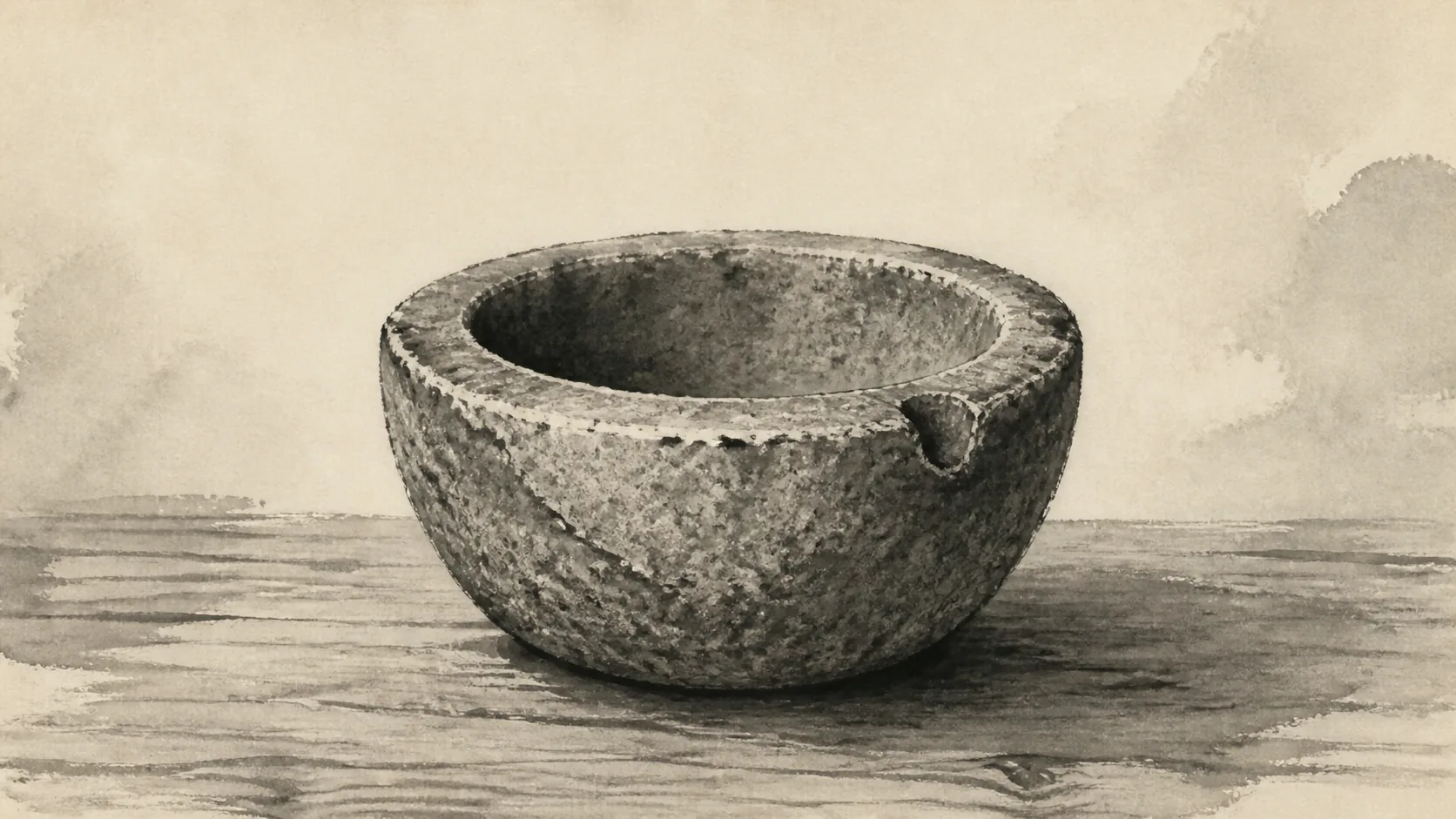
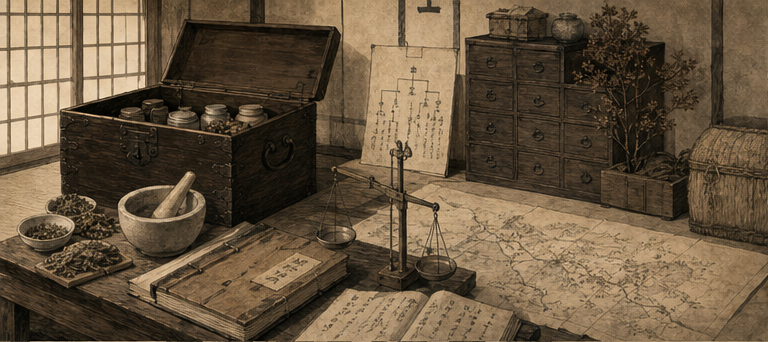
Tanaka Ganzo is said to have been born around 1844 in Higashirenji village, Kuji district, as a son of Mito-domain physician Saruta Genseki. Medicine chests, materia medica, mortars, scales, prescription notes, visit ledgers, genealogy, temple registers, and village maps offer ways to test birth, natal house, and medical life. His birth year, biological father, adoption, and acquisition of the Tanaka surname still require documentary confirmation; pictured objects are not claimed relics. Information about unrelated Tanaka brewing houses must not be imported through surname matching. Childhood temperament does not explain later violence. Medical literacy, classical writing, village status, and transport in the Kuji River region are separate contexts. Reading paths include Mito physicians, early-modern medicine, materia medica, village records, genealogy, and rural mobility.
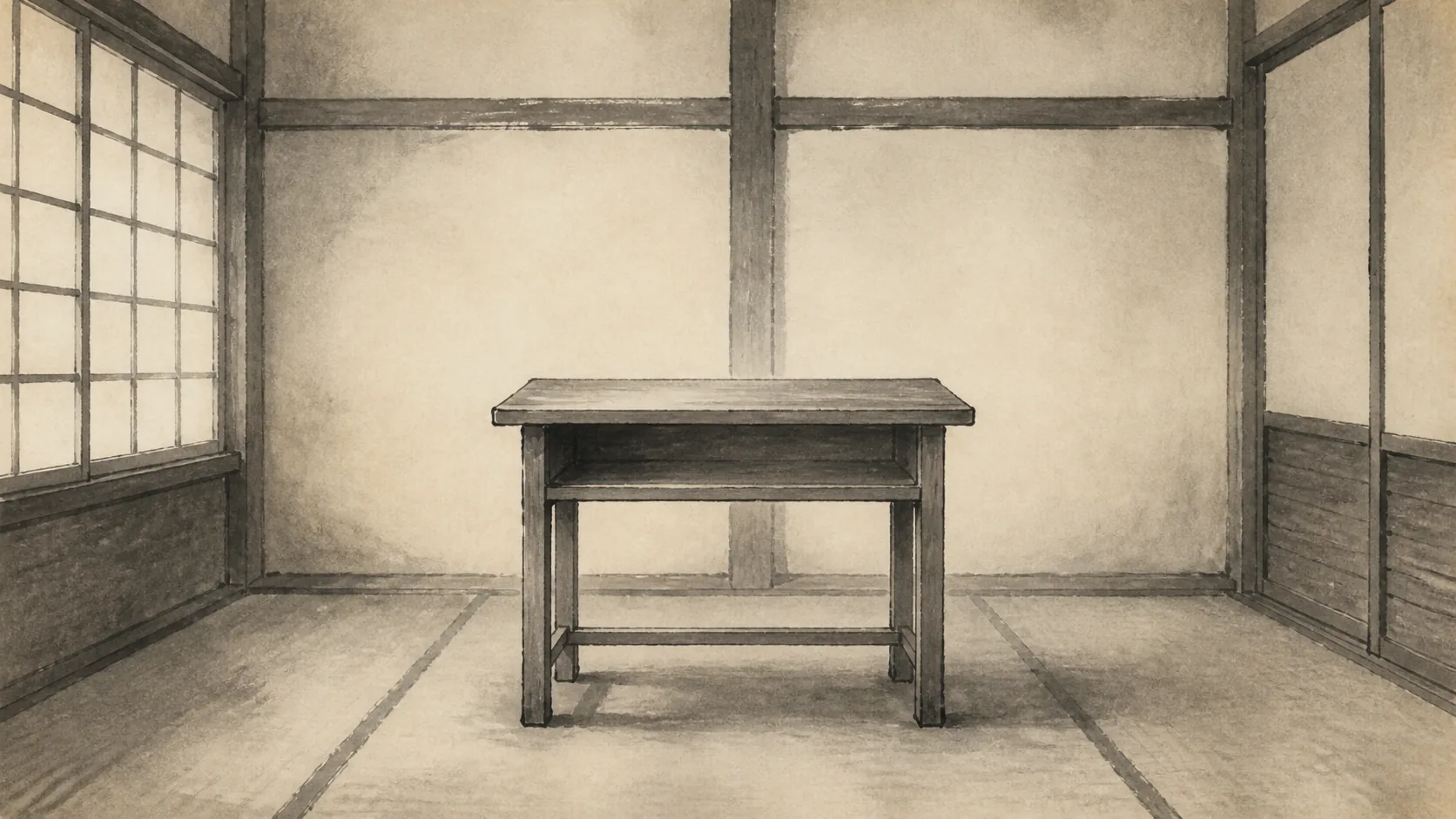
Ganzo is described as having studied at the Shoheizaka academy before becoming head of the Noguchi local academy Ji-yokan. Chinese classics, commentaries, lecture notes, compositions, rules, attendance ledgers, brushes, inkstones, book cases, travel accounts between Edo and Mito, and maps place education in institutions and movement rather than genius legend. The present Yushima Seido must be distinguished from the complete late-Edo Shoheizaka compound, while the Ji-yokan marker is not its original school building. A regional account calling him the eighteen-year-old fourth head requires appointment papers, enrollment dates, and predecessor lists. Local academies also approached martial training and rural recruitment. Reading paths include Shoheizaka, Mito local academies, classical education, rural soldiers, and youthful instructors.

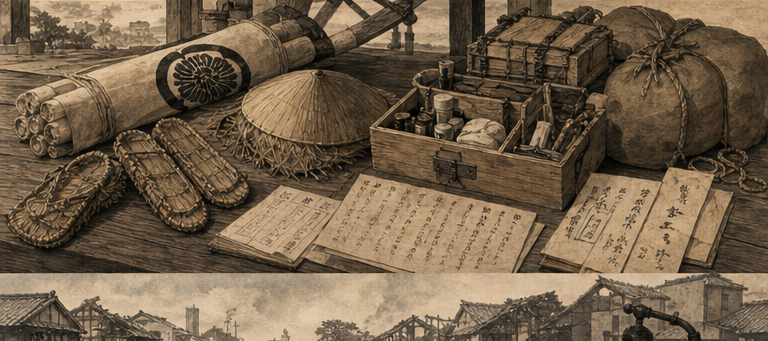
Ganzo is said to have joined the March 1864 Tsukuba uprising while leading students from Ji-yokan. Attendance rosters, oath sheets, recruitment tags, status and age lists, travel permits, wrapped flags, sandals, rain capes, ration sacks, medicine kits, and pack frames reveal how a school network could become a political and military group. A figure above two hundred must be checked rather than repeated: academy students, neighboring farmers, ronin, and later recruits may belong to different lists. Participation should not imply identical voluntary conviction; teacher ties, regional pressure, wages, food, protection, and coercion all require study. The whole Tengu Party, initial Tsukuba force, Tanaka group, and later detached unit are not one roster. Reading paths include academies and activism, youth mobilization, rural troops, travel equipment, and logistics.
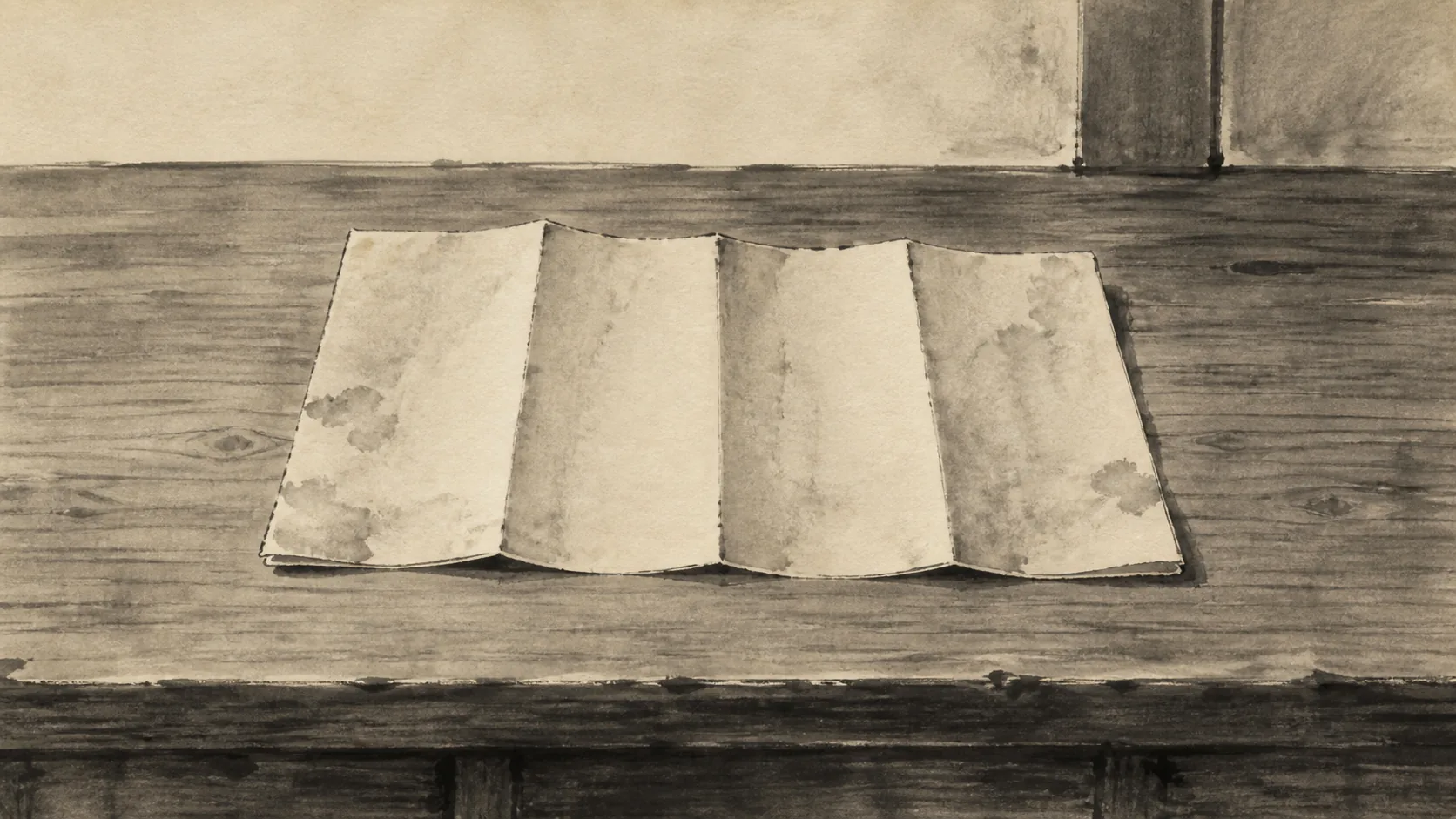
Tanaka’s unit demanded money and goods and is described as using violence and arson against refusing communities, damaging the movement’s reputation and leading to exclusion from the main force. Demand letters, contribution ledgers, loan notes, receipts, repayment promises, merchant sales books, cash chests, seal cases, town-office diaries, and hostage or petition records help distinguish a donation, forced loan, and robbery through payer, amount, coercion, and actual repayment. Ishioka’s heritage plan identifies Kaenji as a lodging and departure base, but temple accounts and town records should be compared. Political purpose does not erase civilian harm, while a later blanket demon image cannot prove every incident. Reading paths include military finance, merchant bookkeeping, temple lodging, debt, extortion, and local government.
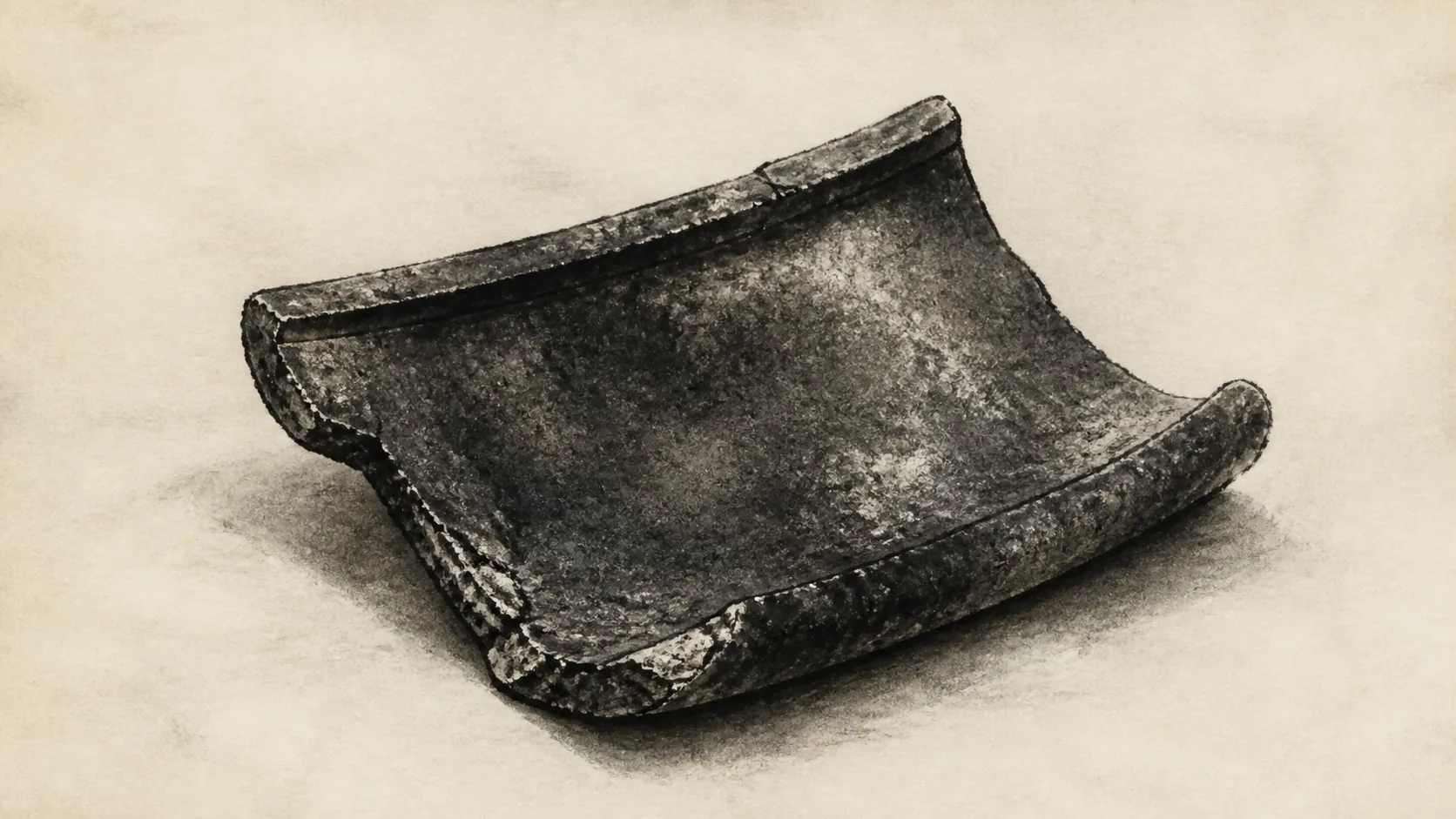
The Ibaraki Prefectural History Museum states that Tanaka’s detachment burned Tochigi and Manabe while raising funds. Ishioka records link the June attacks on Manabe and Nakanuki to departure from Kaenji. Burned-lot maps, damage claims, death and injury records, merchant accounts, warehouse stocks, charred timber and tiles, fire buckets, hooks, hand pumps, and rebuilding petitions identify civilian loss and recovery. The Tochigi event and attacks at Manabe and Nakanuki require separate dates, participant figures, demands, and building losses. The illustration excludes attackers, active flames, and casualties. Surviving storehouses must be dated so pre-1864 survivors are distinguished from later rebuilding. Reading paths include urban fire, town firefighting, merchant recovery, architectural dating, insurance-like mutual aid, and histories written from the harmed community.
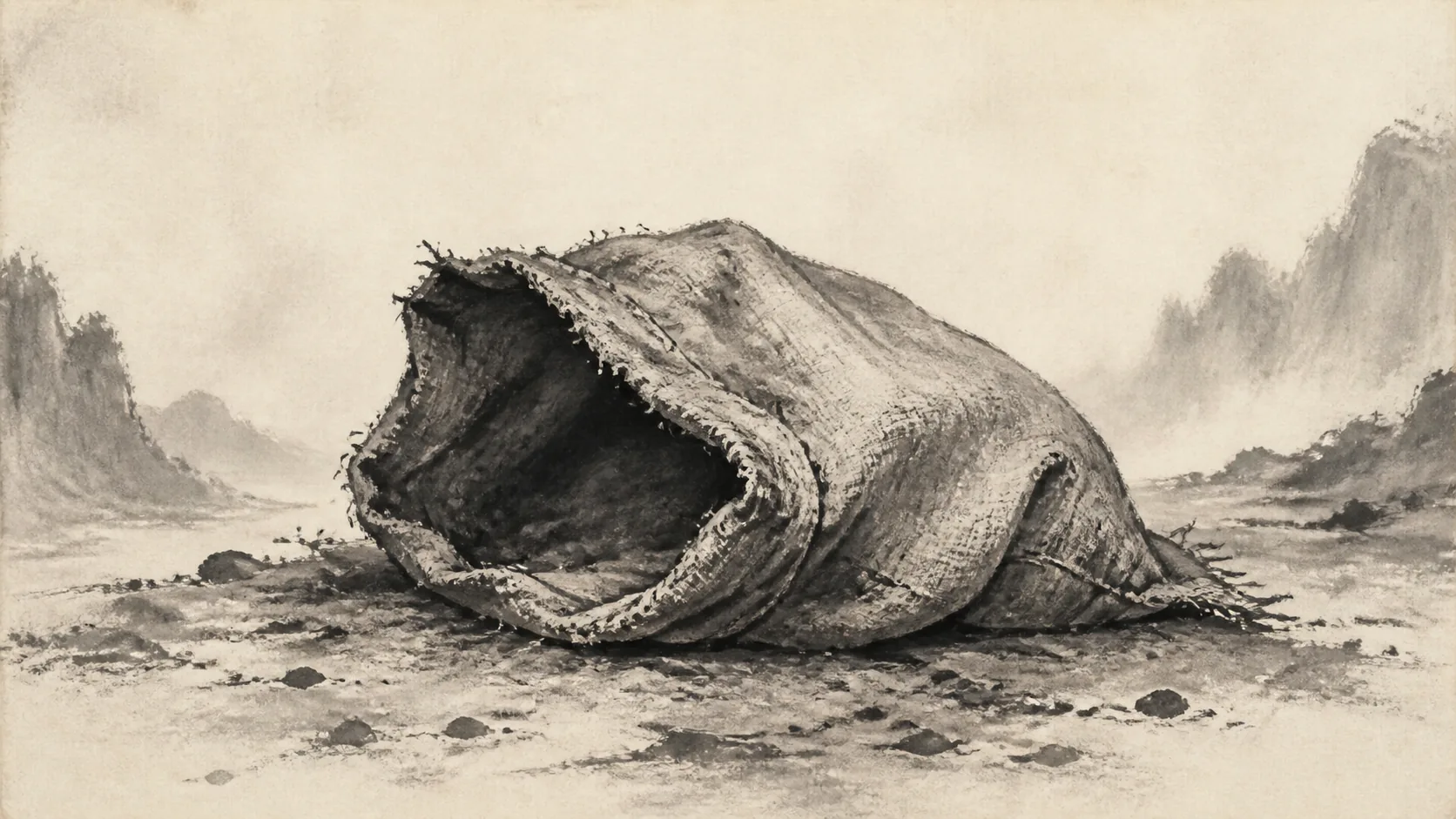
Tanakura’s account says Tanaka entered the Yamizo mountains with more than three hundred followers seeking to regroup. A shrine custodian asked to prepare food had fled, and only about three bales of unhulled rice remained, contributing to hunger and disbandment. Empty ration sacks, grain bales, mountain route maps, sandals, disbandment reports, custody books, Hanawa magistrate interrogation papers, sentence records, chain mail, and execution-ground plans frame collapse as a supply failure amid local fear rather than a heroic last stand. Ganzo was captured and executed at Hanawa in autumn 1864, but exact date and group totals require magistrate and shogunate records. The marker now beside a roadside station is later commemoration, not the judgment original. Reading paths include Yamizo geography, food supply, capture, magistrates, punishment, artifacts, and memorial construction.
VISIT
Search events related to Ganzo Tanaka →Browse all Bakumatsu events →