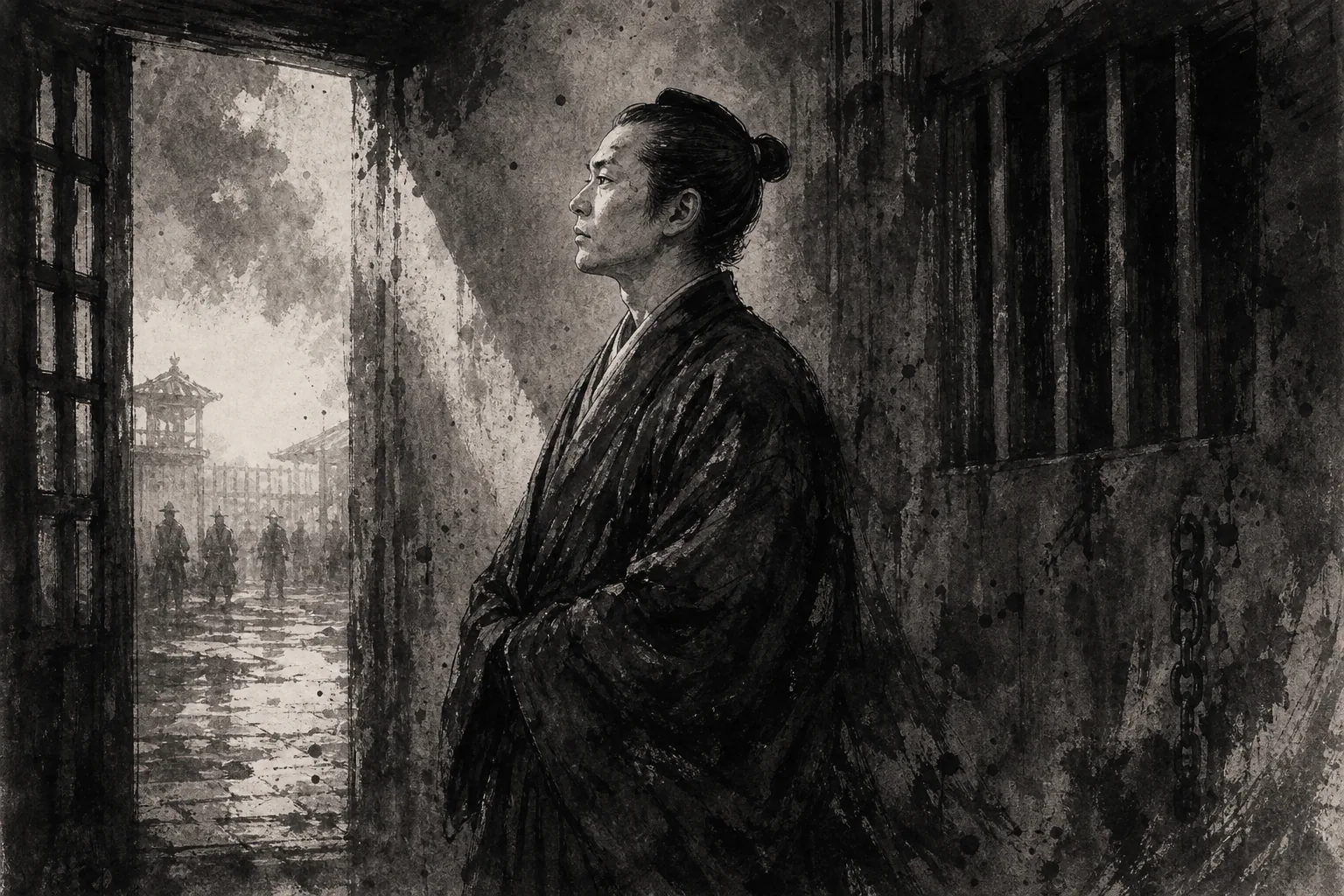
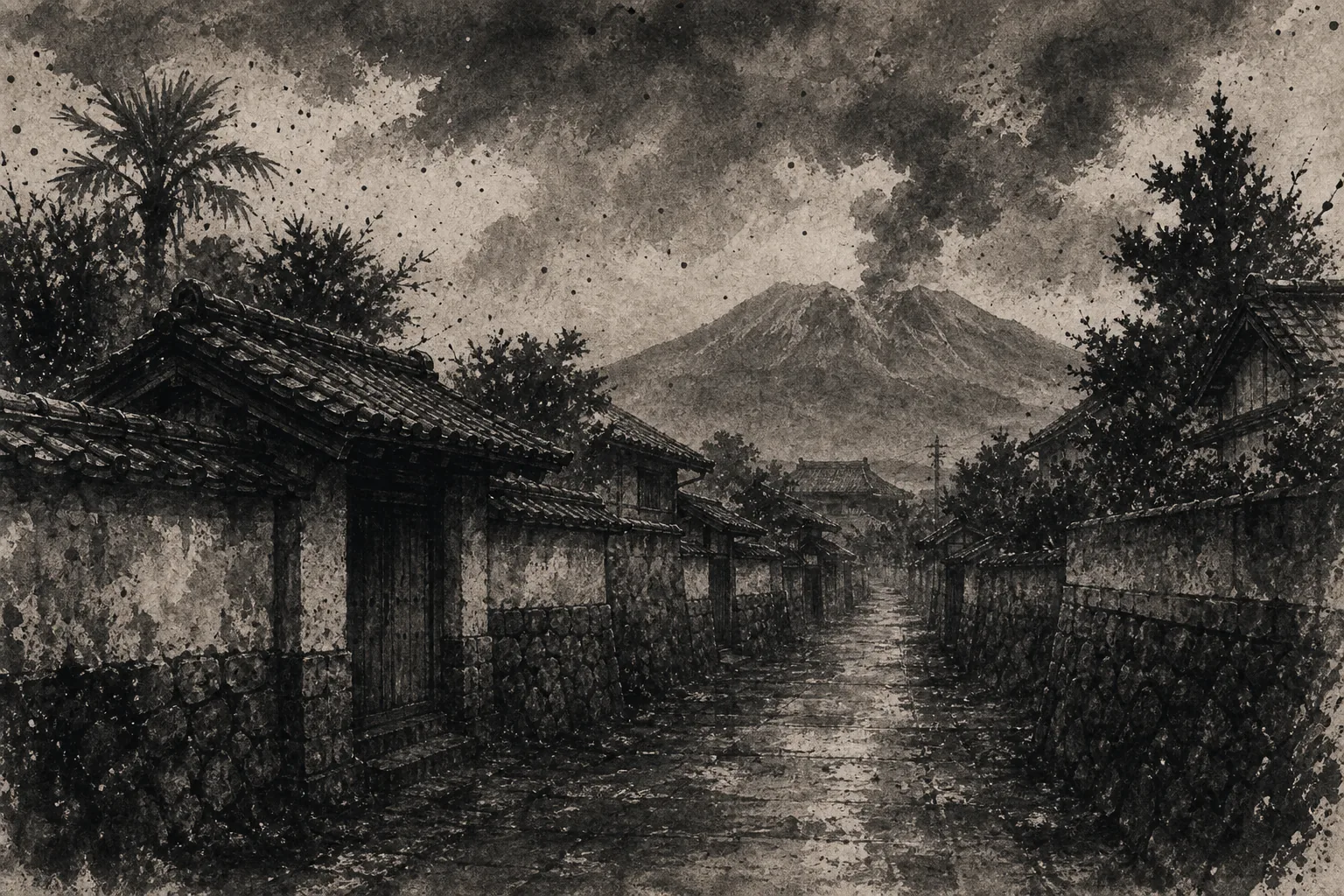
Toshimichi Okubo · Satsuma
Original
下通州偶成
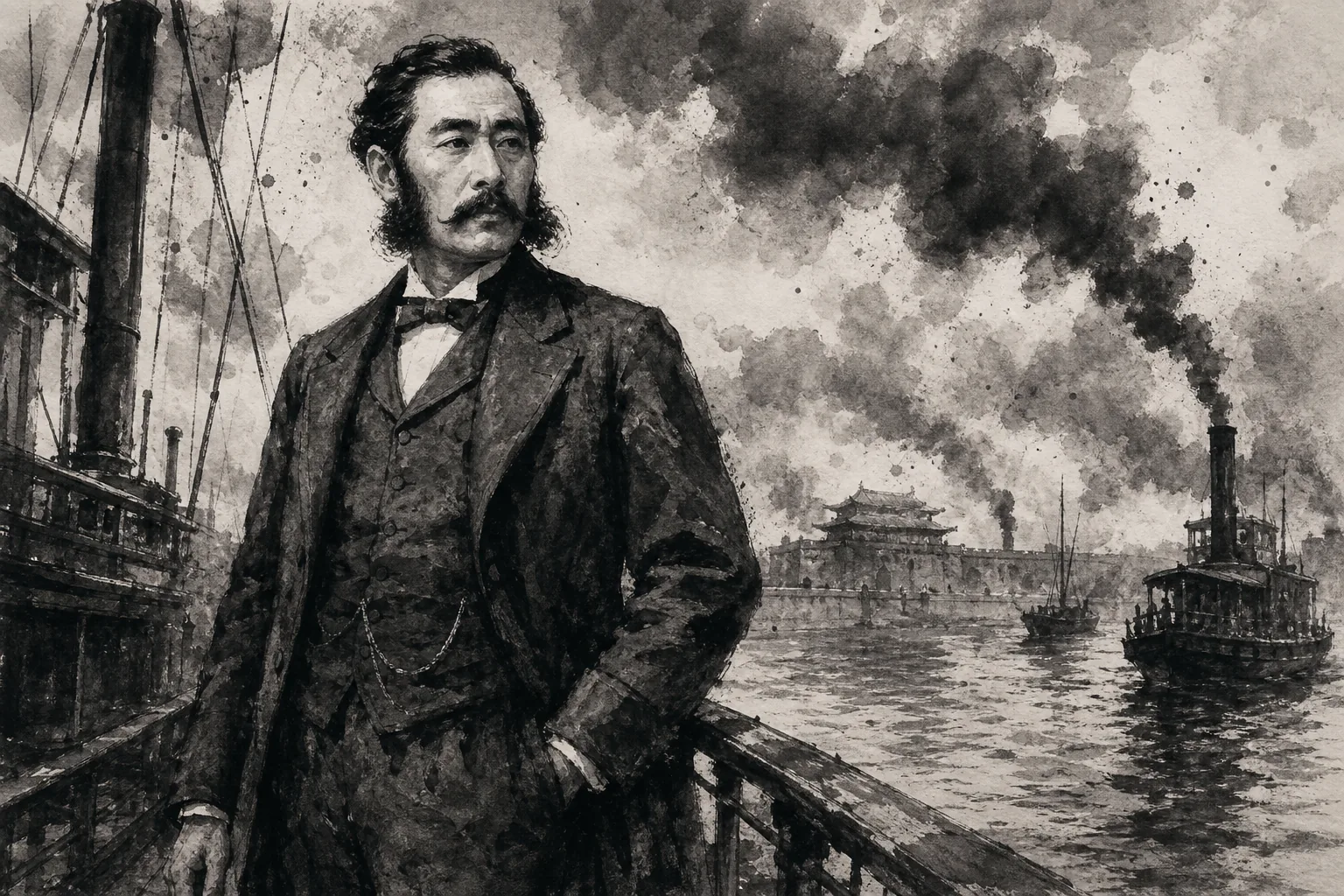
Toshimichi Okubo's Chinese-style poem, "下通州偶成奉勅單航向北京黑煙堆裏蹴波". Read the original Japanese, modern translation, interpretation, and historical context as distinct parts of the poem.
Person
One of the three great leaders of the Restoration, who moved from Satsuma politics into the center of Meiji state-building.
Learn about Okubo Toshimichi
Translation
Sent by imperial command, I sailed toward Beijing through black smoke; once peace was made, even my dreams grew calm on the waters of Tongzhou.
Poetic Shape Kanshi draws on a classical Chinese poetic tradition, where restraint, allusion, and moral tension carry much of the weight. The poem sounds formal, but the pressure beneath it is personal.
Reading
Unlike the battlefield poem, this carries a quiet relief after negotiation.It can turn the beginning of modern diplomacy into poetry.
Background
A Chinese poem by Okubo after negotiations with Qing China following the Taiwan Expedition.It belongs to the later work of governing the Meiji state.
Source / Transmission Wording and readings may differ by transmission; this page treats the text as one circulated form.
Further Reading
Find related books and places to stay For readers who want more historical context, these links search for related books on external stores.
Affiliate link